


The (Im)pertinence
of Alternatives
Dialogues of African Perspectives on a World in Crisis
5 - 9 October 2026
Online conference
The (Im)pertinence
of Alternatives
Dialogues of African Perspectives on a World in Crisis
5 - 9 October 2026
Online conference
What do these times
ask of us?

Djolifon's first online conference, The (Im)pertinence of Alternatives, Dialogues of African Perspectives on a World in Crisis, aims to weave a tapestry of intergenerational, trans-local, trans-disciplinary, and trans-professional African perspectives on this moment of unprecedented convergence of existential, civilizational, and environmental crises. It is an invitation to collectively articulate and foreground other and othered understandings of the work to be done and the journey yet to be traveled.
In a world grappling with a confluence of interconnected crises, this conference convenes to dissect the profound environmental, civilizational, economic, geopolitical, and social shifts currently reshaping the landscape of international relations. A central focus will be on understanding and defining the evolving position of African countries within this dynamic global order. Our dialogues will delve into several key themes designed to foster critical analysis and actionable insights:
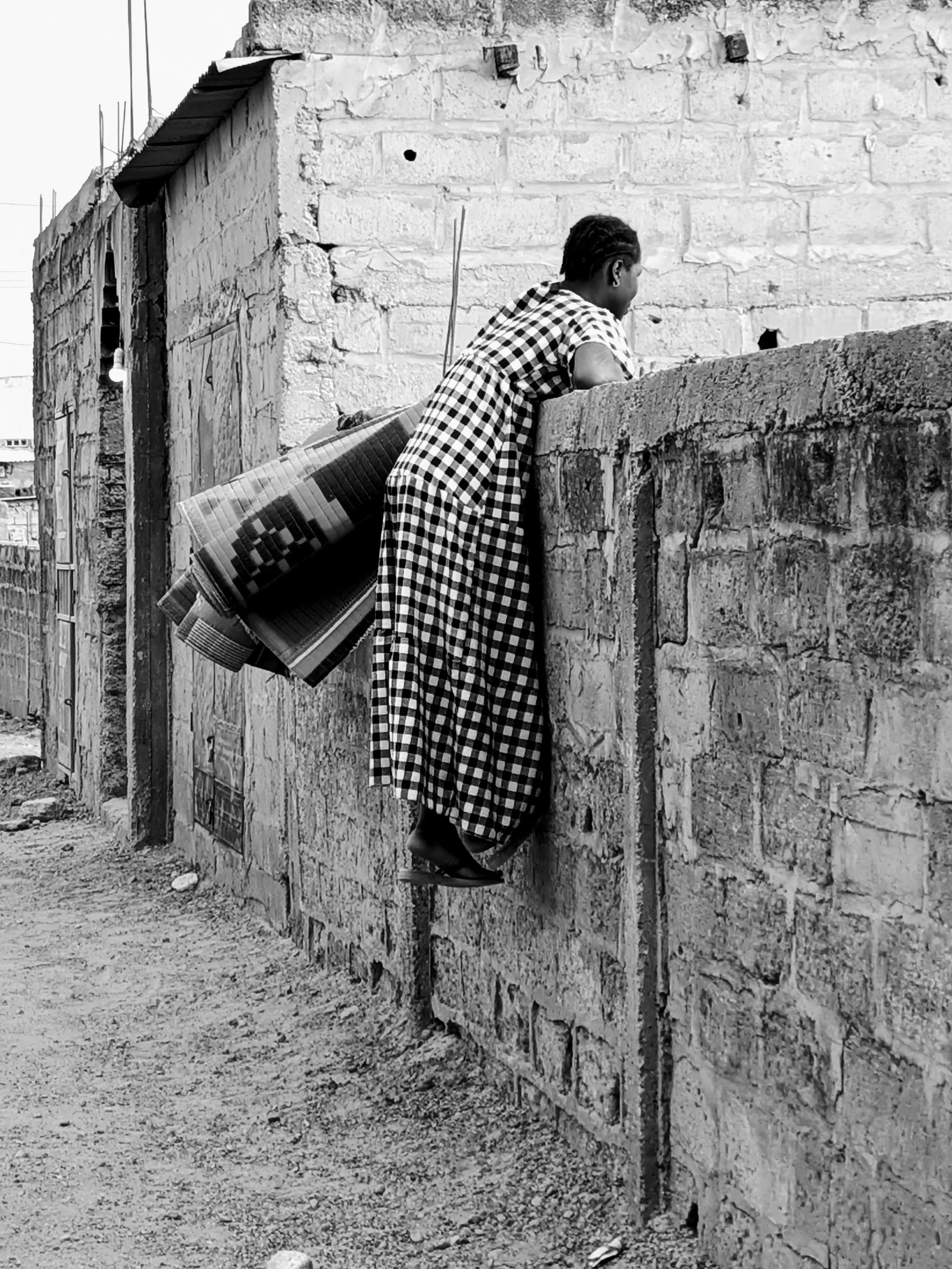
Gen Z and the (Im)possibilities of Alternatives
This theme will connect the perspectives and insights of Gen Z activists to current global challenges. It will explore the impacts of their political actions and examine their political proposals for addressing their key issues. The aim is to amplify how this generation is driving change and explore the innovative approaches they are bringing to the struggle.
The Stakes of Hyper-Imperialism
Amidst a shifting paradigm of globalization, this theme will critically examine the concept of hyper-imperialism and its implications for African people and nations. Our discussions will aim to highlight and celebrate viable other and othered pathways through which African people and institutions are resisting—or can better resist—violent, extractive, and exploitative global dynamics. Crucially, this theme will also spotlight alternatives and voices championing an equitable ecological transition.
Art, Ethics, and Spirituality in a World in Peril
This multifaceted theme acknowledges the critical role of diverse artistic practices in stimulating imagination and fostering new modes of perception and understanding in the face of global crises. It will investigate how art can serve as a catalyst for challenging existing narratives and envisioning alternative futures that value humanity’s ethical and spiritual needs as highly as our material needs. These sessions will therefore examine essential ethical principles for navigating the complex dilemmas of our time and explore the restorative and transformative power of spiritual traditions to offer solace and meaning and foster individual and collective resilience.
Post-activism
The present moment compels a sober assessment of our limitations and demands that we confront our fears and failures and embrace the enduring power of our dreams. This theme will grapple with the urgent question of what new forms of civic engagement, social mobilization, and collective action may be needed to address the multifaceted complexities of contemporary issues. It will explore the critical conditions and enabling environments necessary for other forms of activism to take root and flourish.
In dealing with all these themes, this conference is designed to go beyond mere analysis to illuminate and foreground diverse and often marginalized understandings of and experimentations with the critical work that lies ahead. The complex, multifaceted nature of the journey yet to be traveled demands no less. We are committed to bringing together the widest possible range of voices and experiences in a respectful and constructive environment to contribute to shaping our shared future.
The conference is fully bilingual (English and French) for both the formal and informal sessions. spaces.
SESSIONS
The program outlines a series of enriching experiences, each designed to engage our sense of togetherness, provoke (re)imaginations and nourish our individual and collective commitment to bringing forth other and othered pathways.
5 - 9 October 2026
CONTRIBUTORS
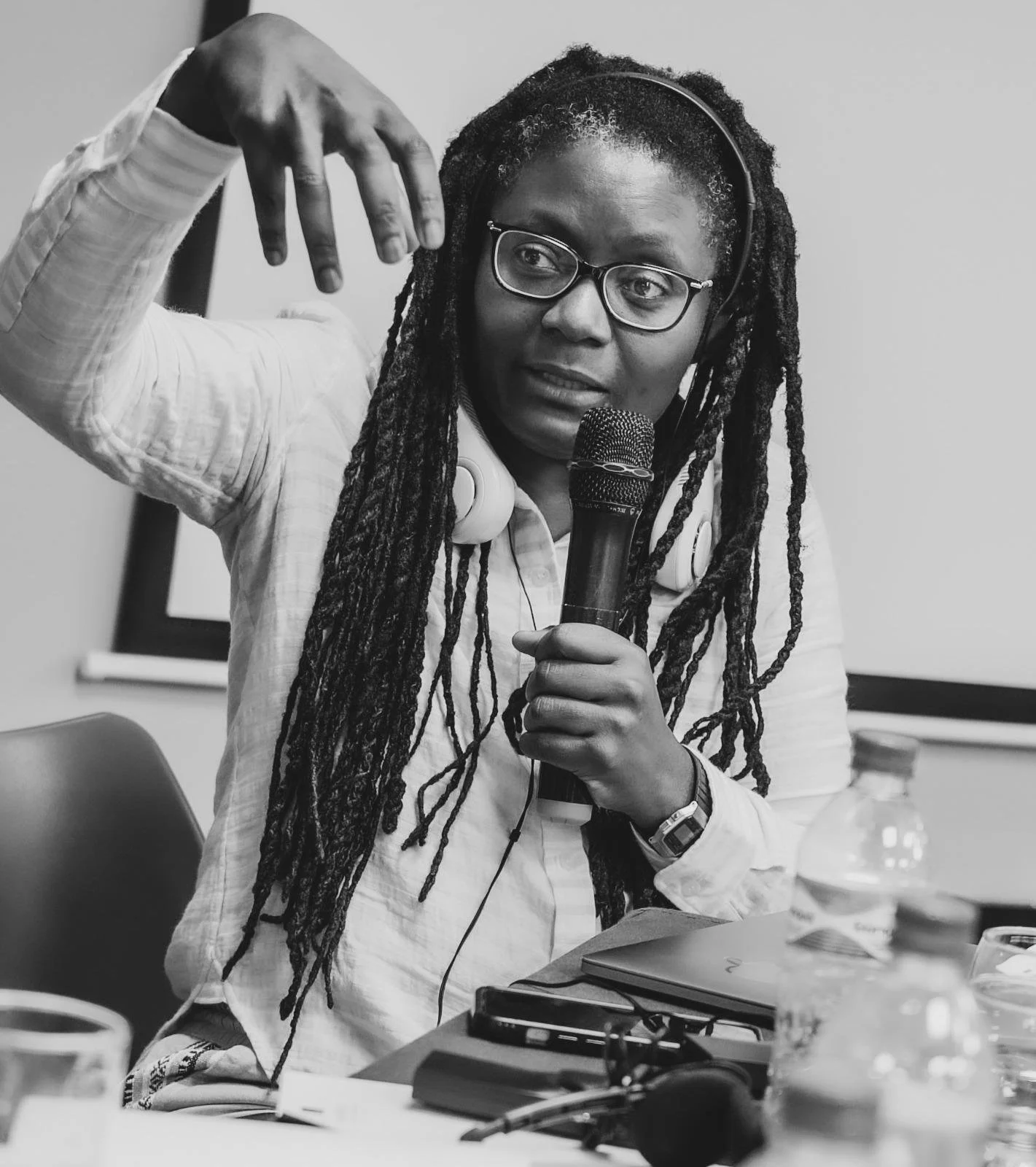
Dr. SN Nyeck
Cameroon/USA

Anésio Manhiça
Mozambique

Ms Maggie LoWilla
South Sudan
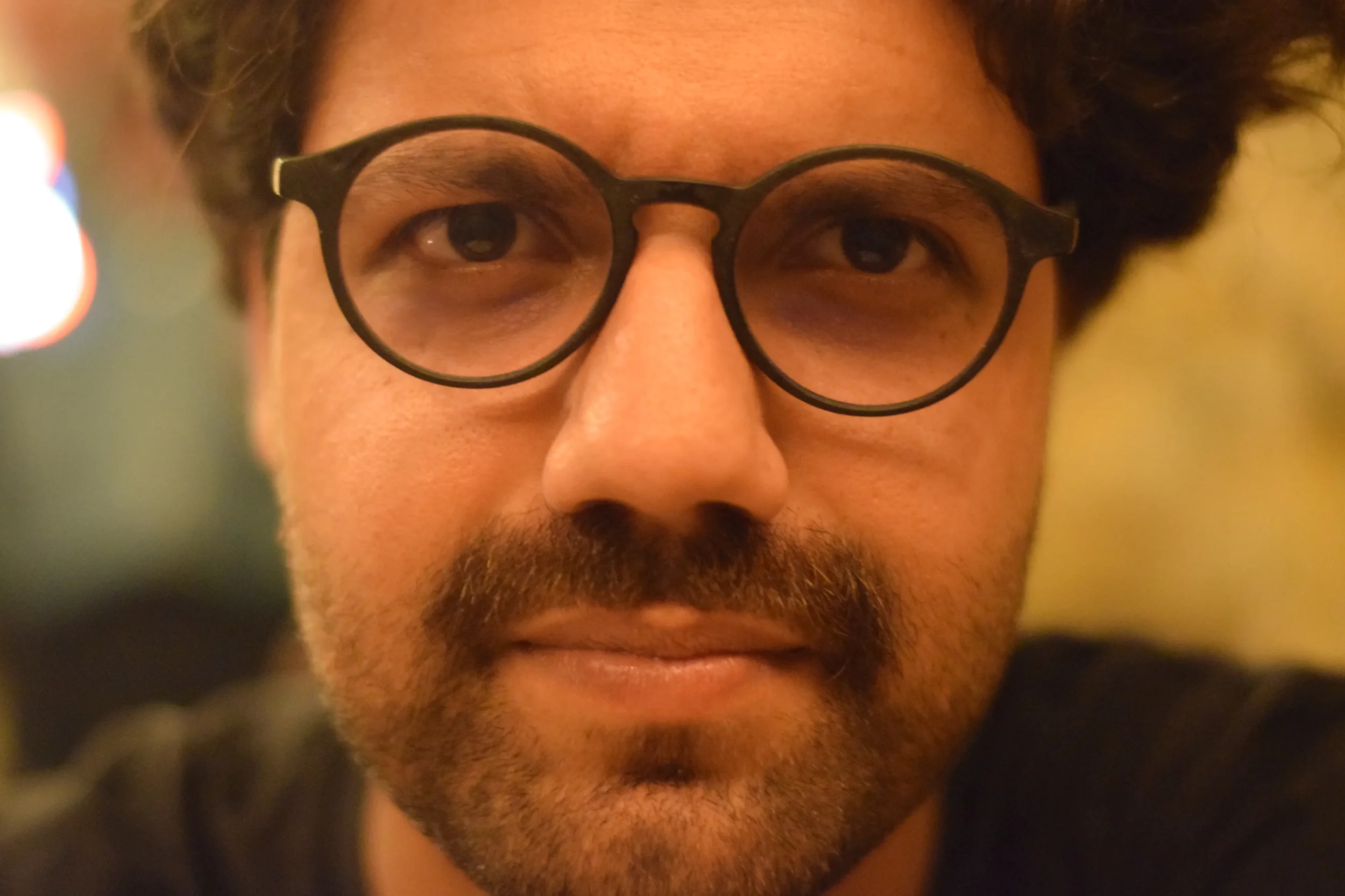
Ali Rhidha Khan
South Africa
François Bouda
Burkina Faso
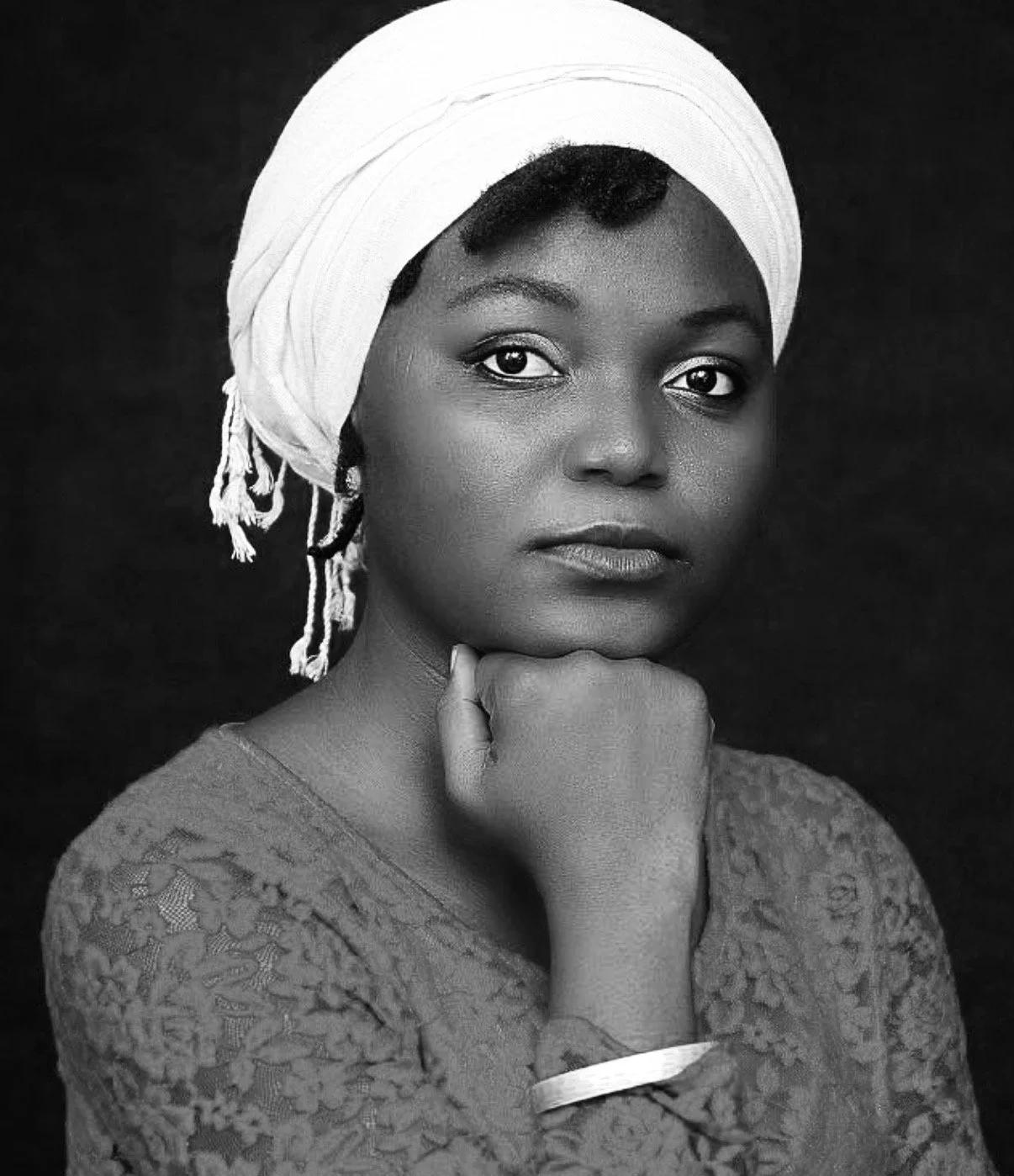
Reyhanath Toure Mamadou
Togo
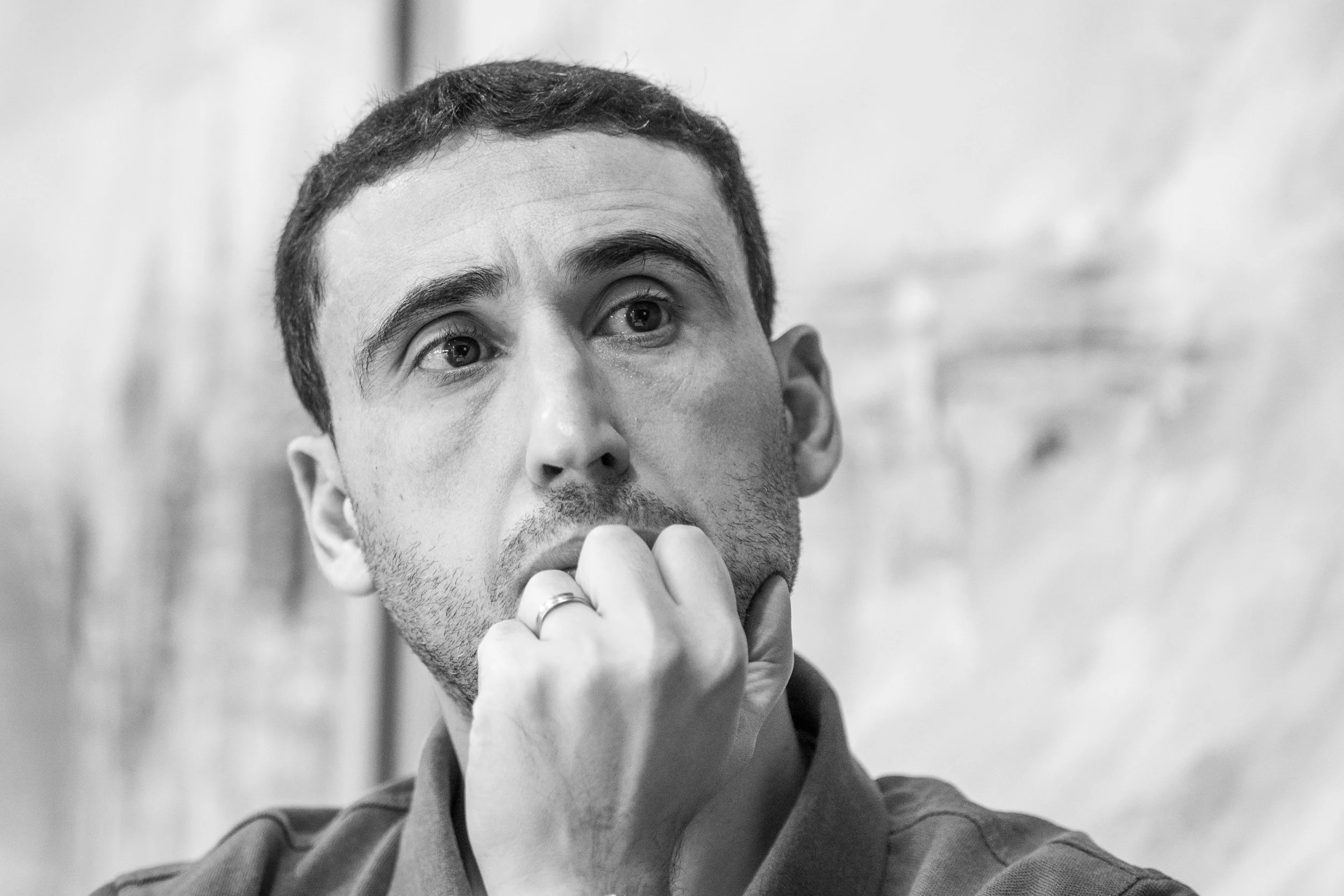
Dr-Hamza-Hamouchene
Algeria/UK
Elhadj Ould Brahim
Mauritania
Alyaa Musa
Sudan

Prof Haidar Eid
Palestine
Jessica Horn
Uganda
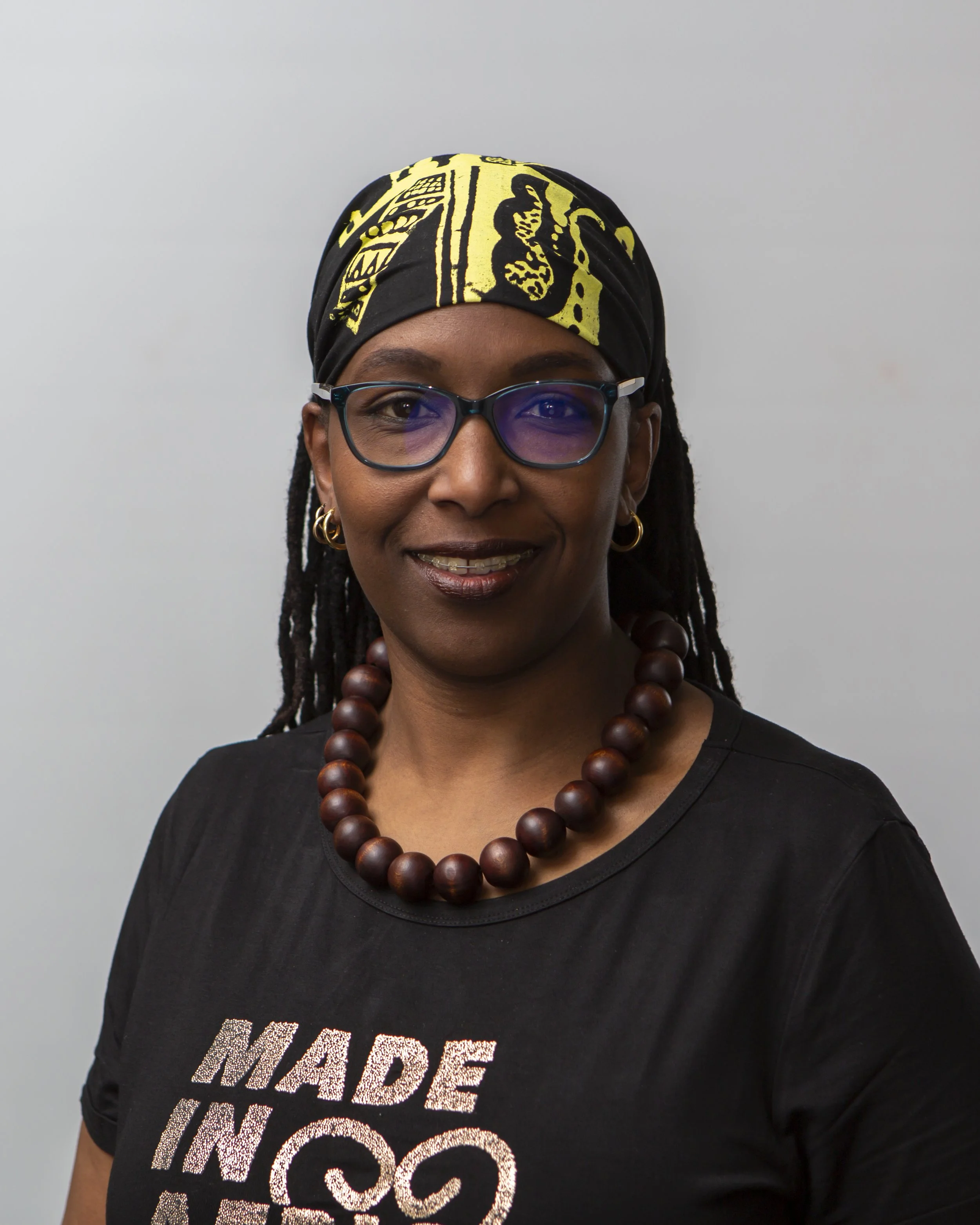
Geci Karuri-Sebina
South Africa
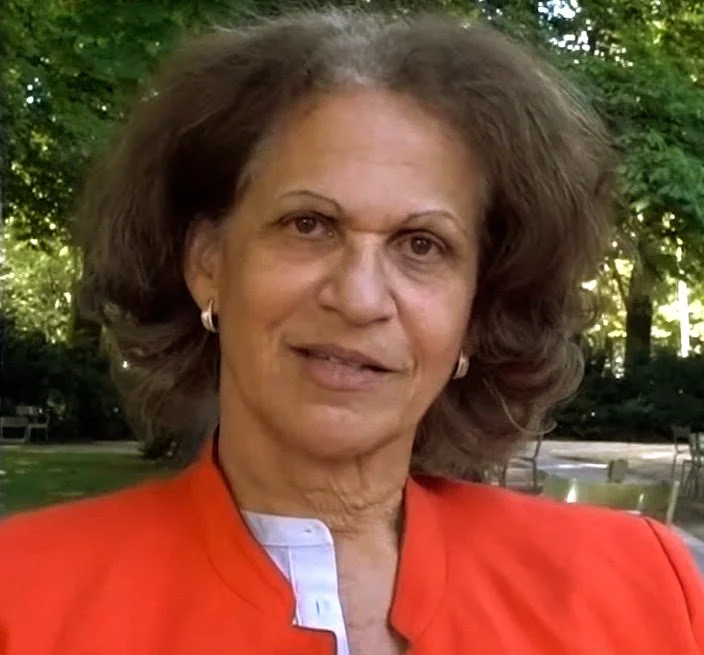
Mireille Fanon-Mendes
France

Prince Franck Edja
Côte d’Ivoire
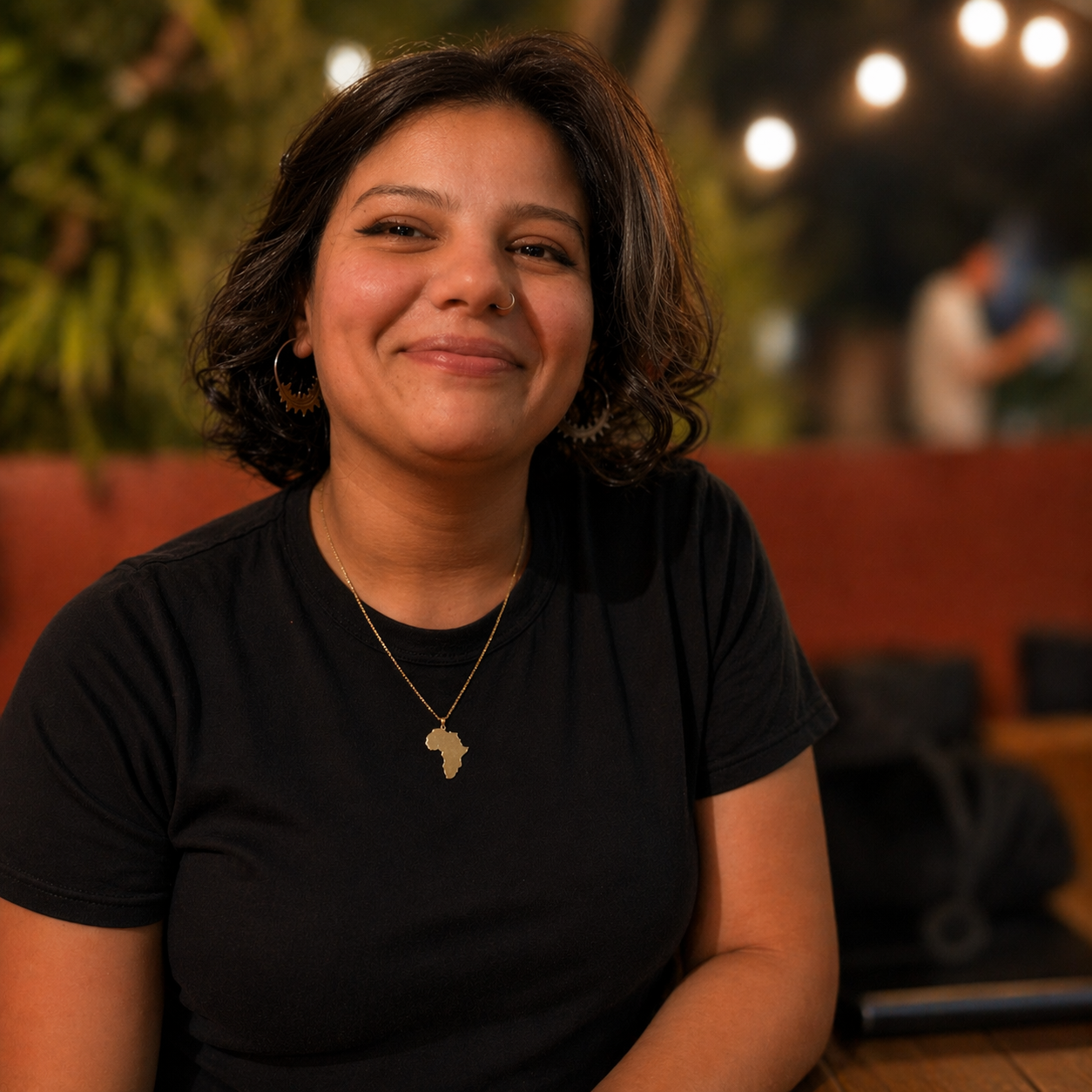
Assala Mdawkhy
Tunisia
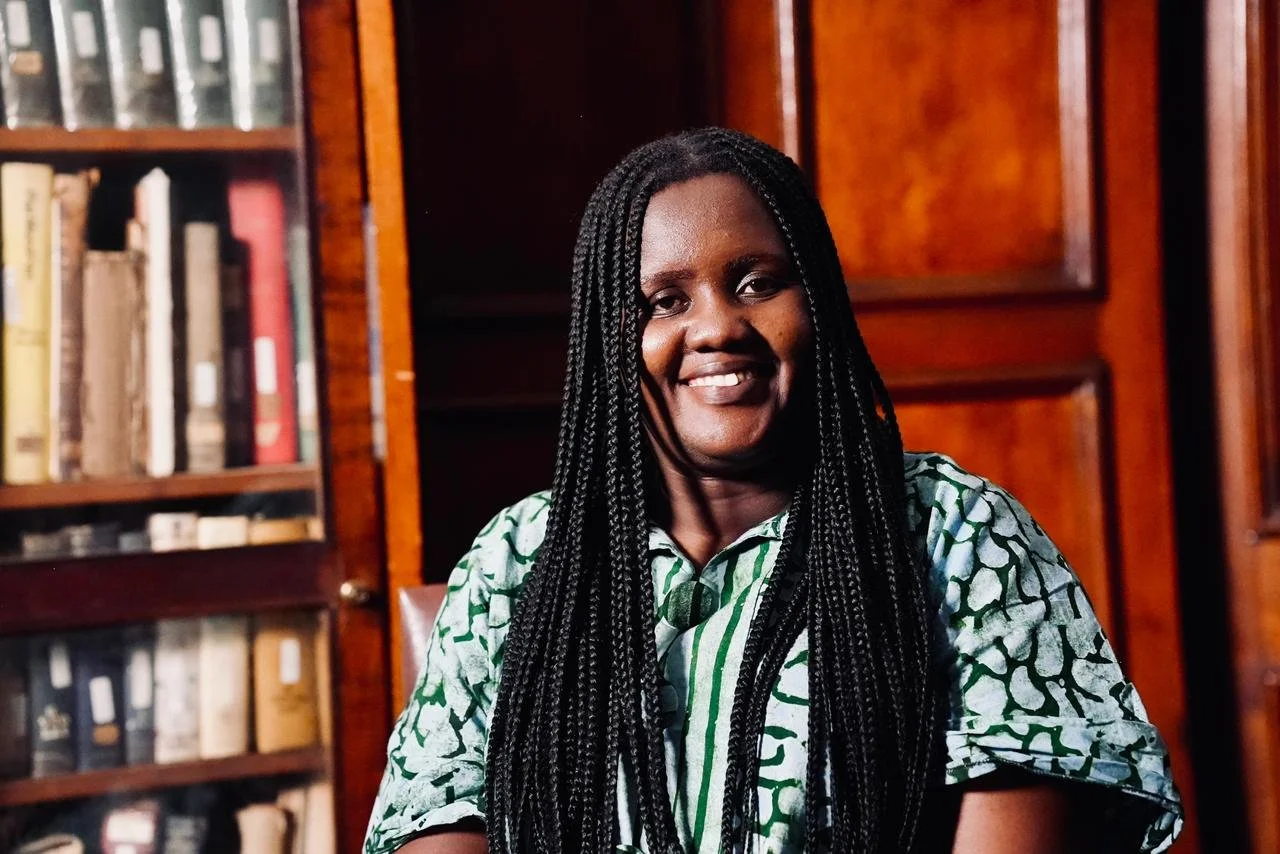
Joan Kinyua
Kenya
Héla Ammar
Tunisia
Noire Velours
Benin-Togo

Omar H. Ali, Ph.D
U.S.A
Feukeu Eva Kwamou
Luam Kidane
Eritrea
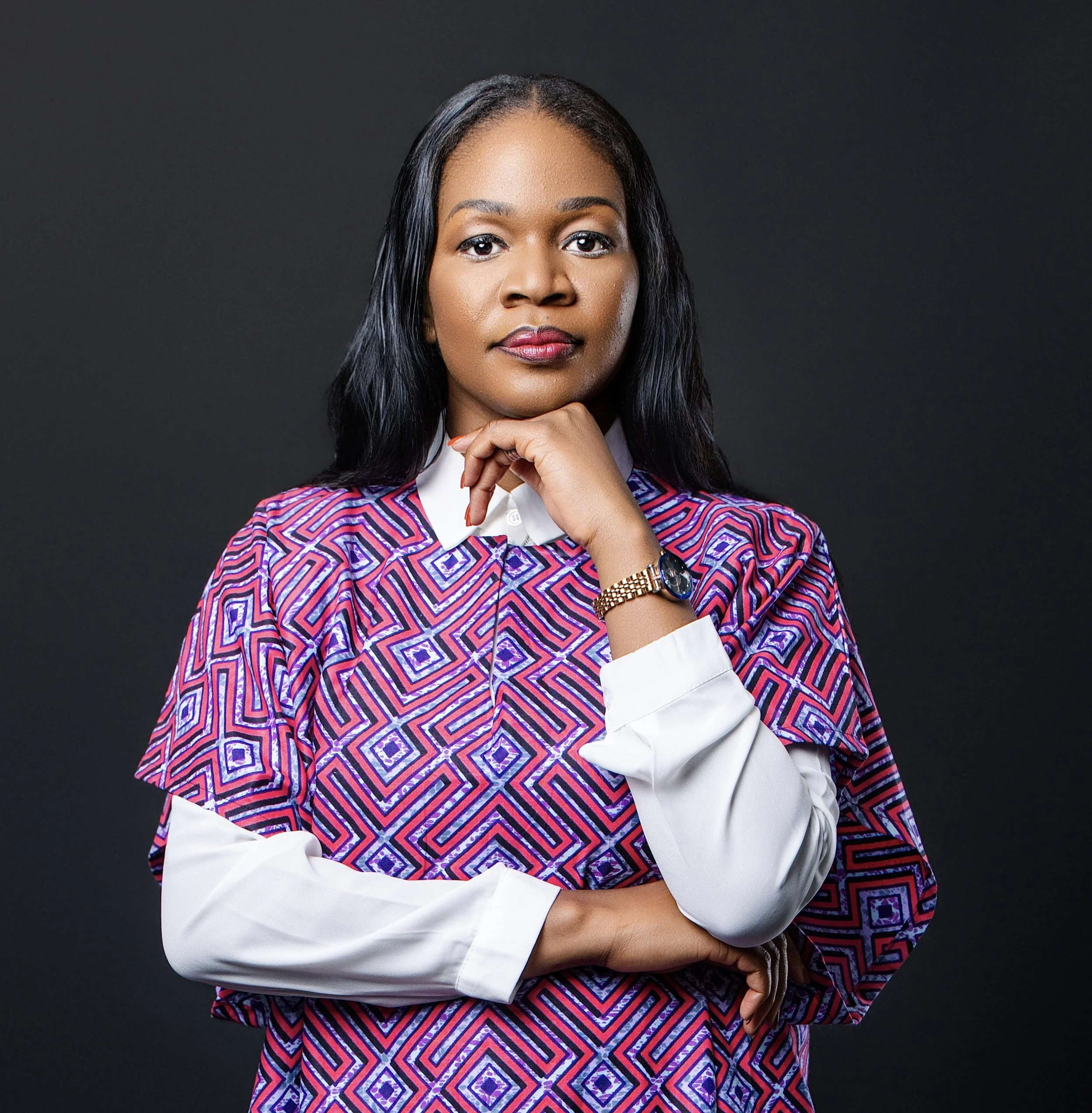
Do Nsoseme
DRC
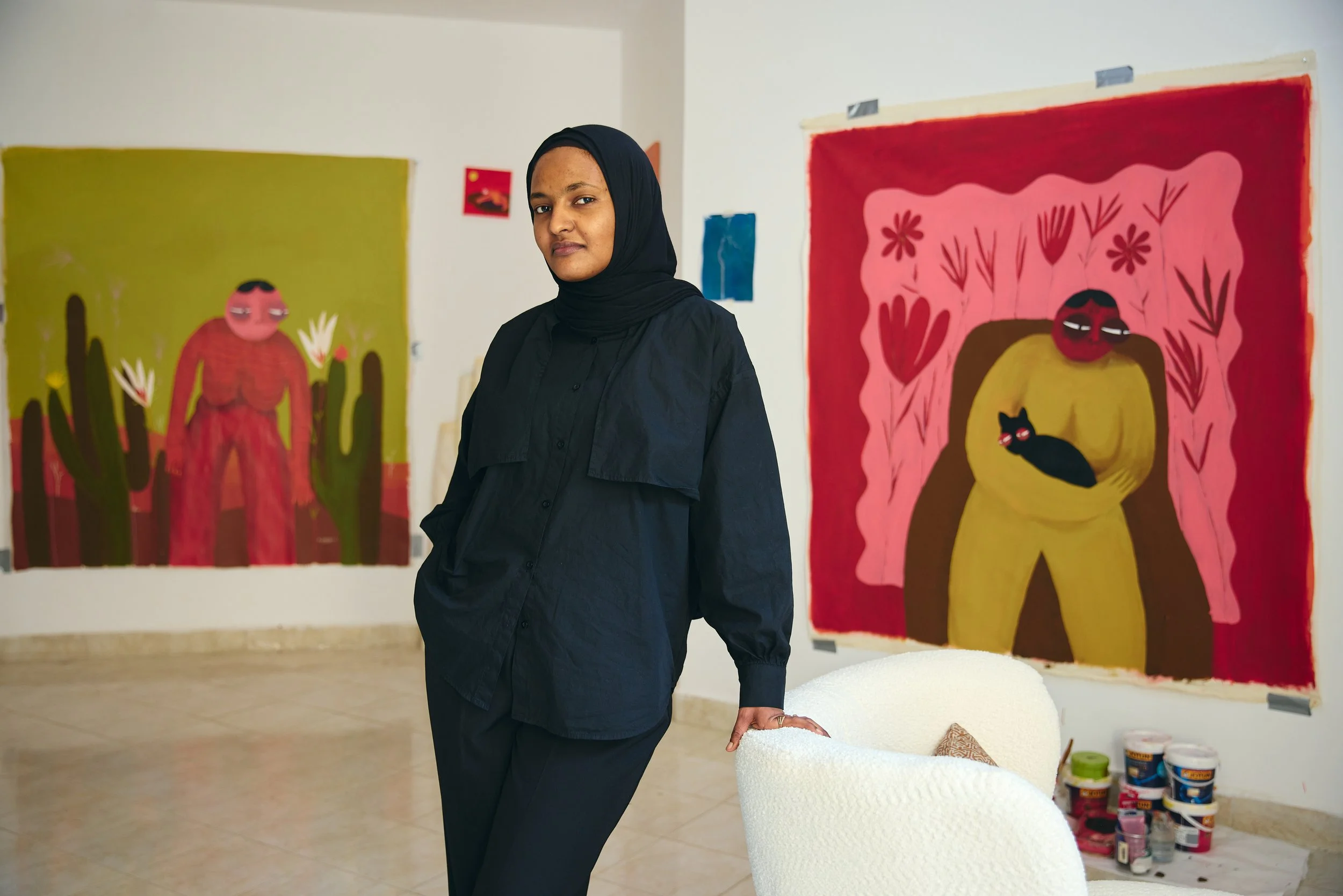
Reem Aljeally
Sudan
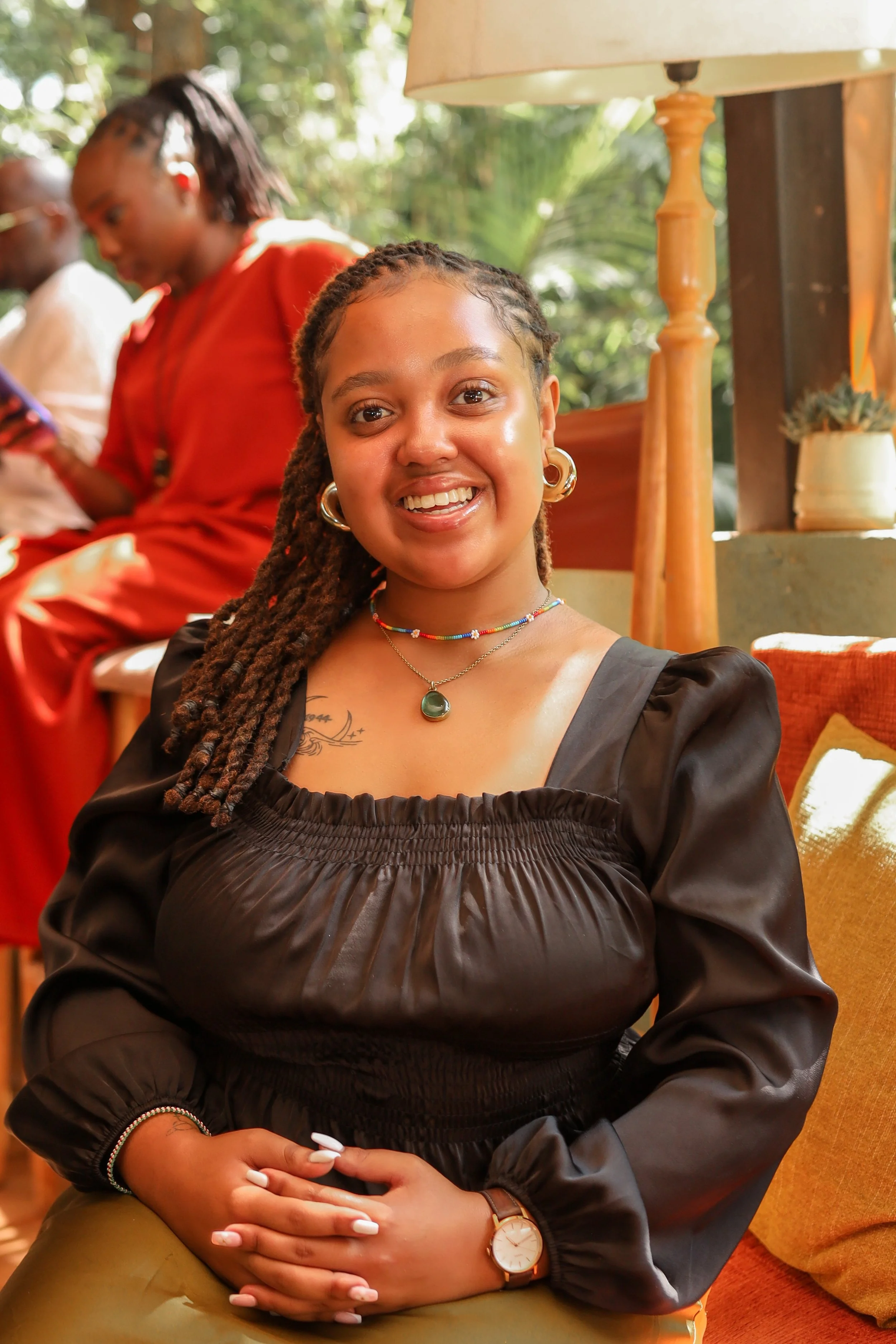
Tatiana Gicheru
Kenya

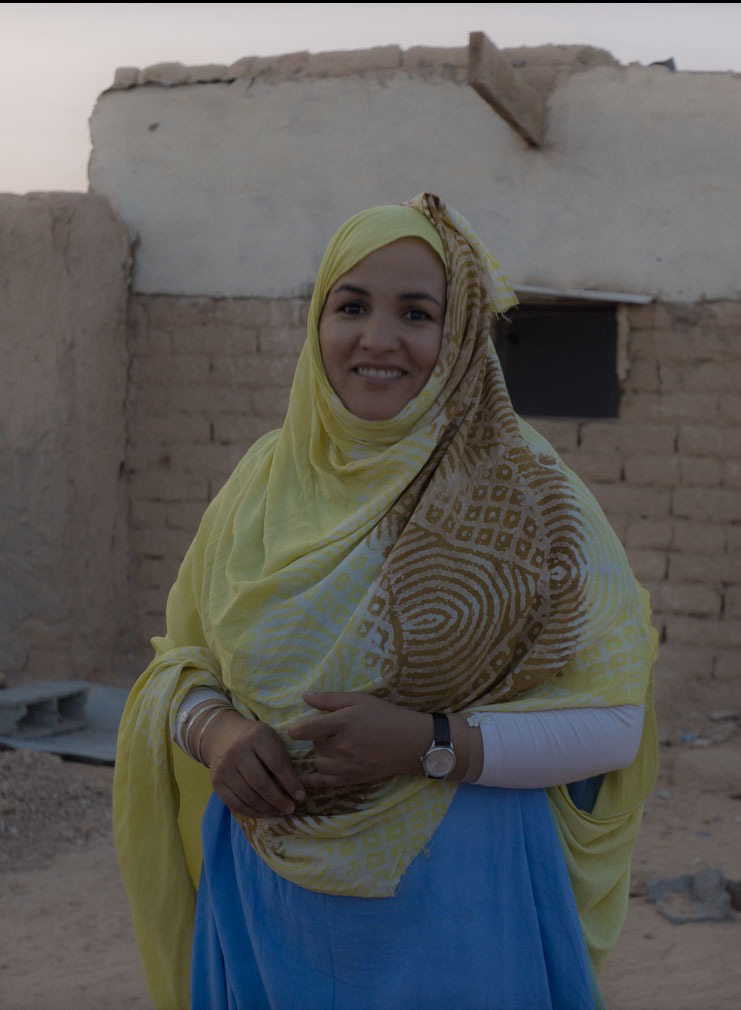
Souad Souilem
occupied Western Sahara
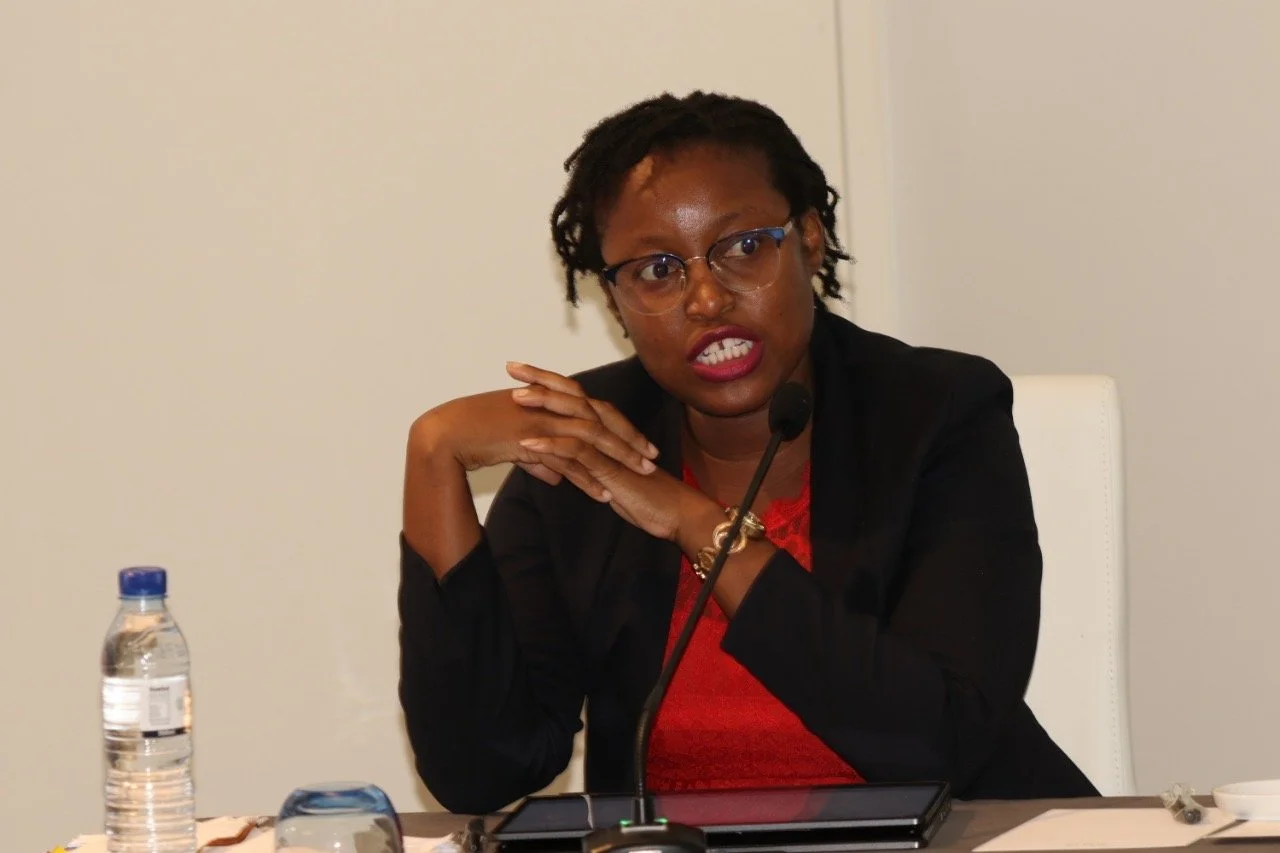
Quitéria Guirengane Muchanga
Mozambique
Lina Marwan
Sudan
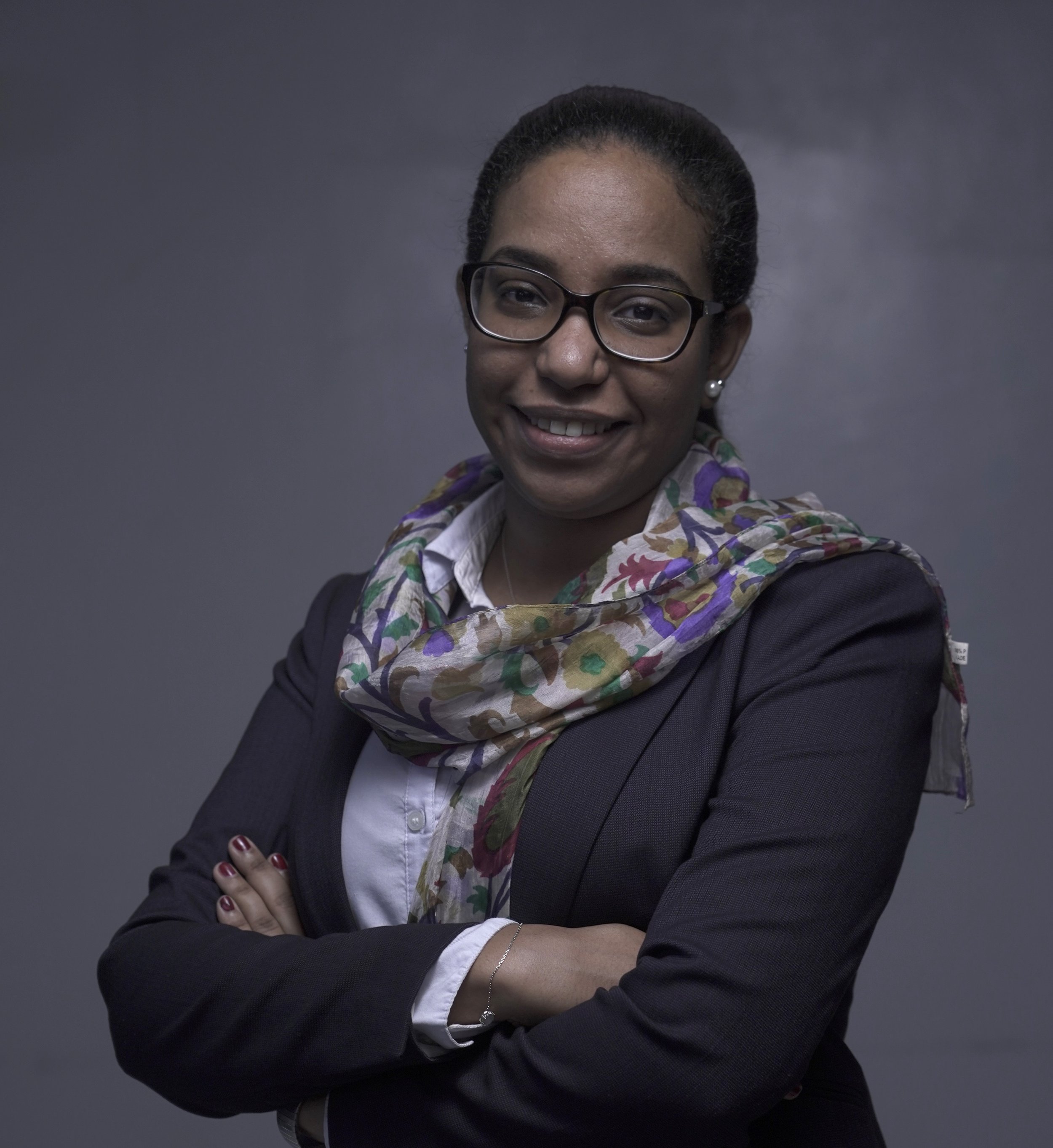
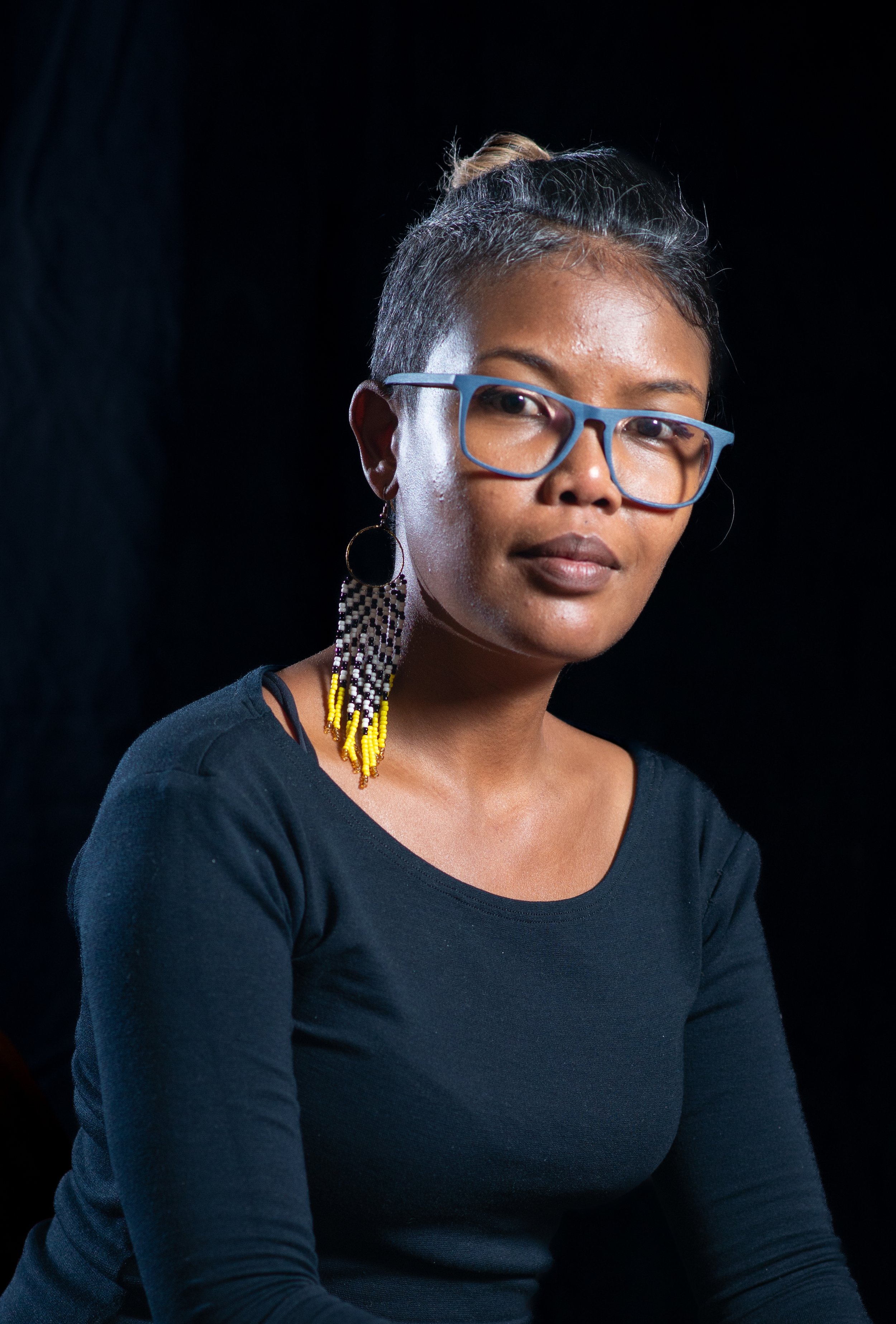
Joey Aresoa
Madagascar
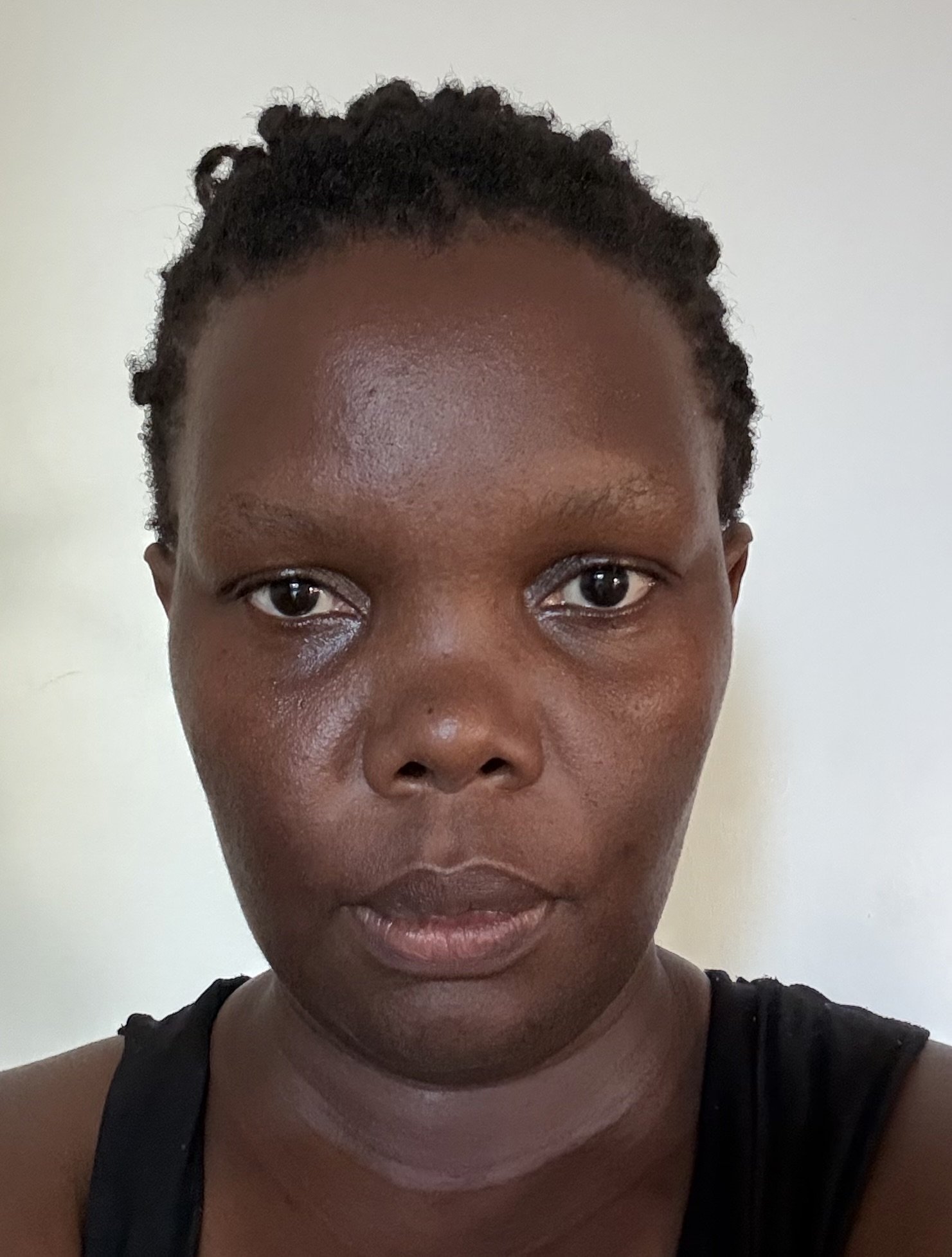
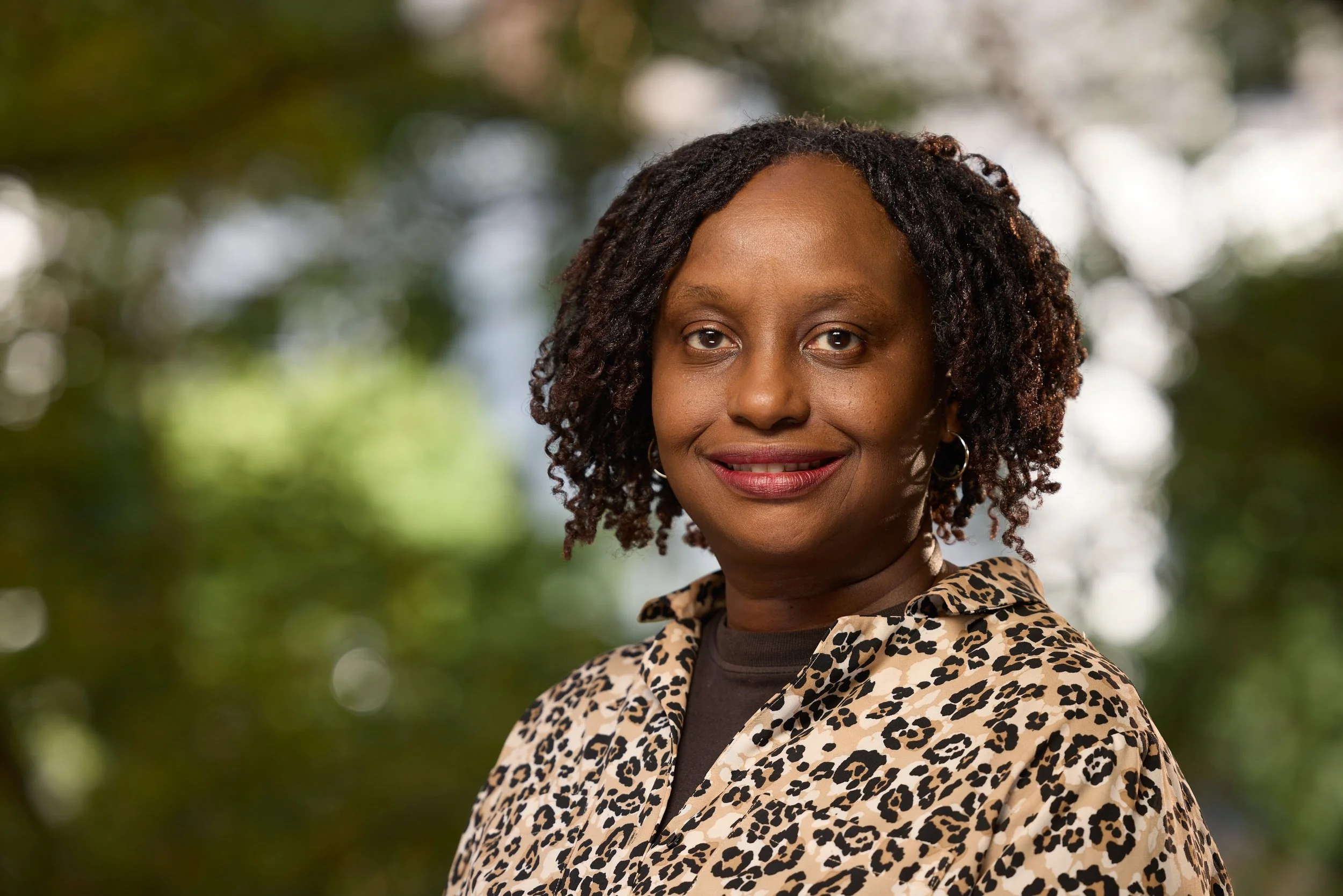
Lydia Namubiru
Uganda
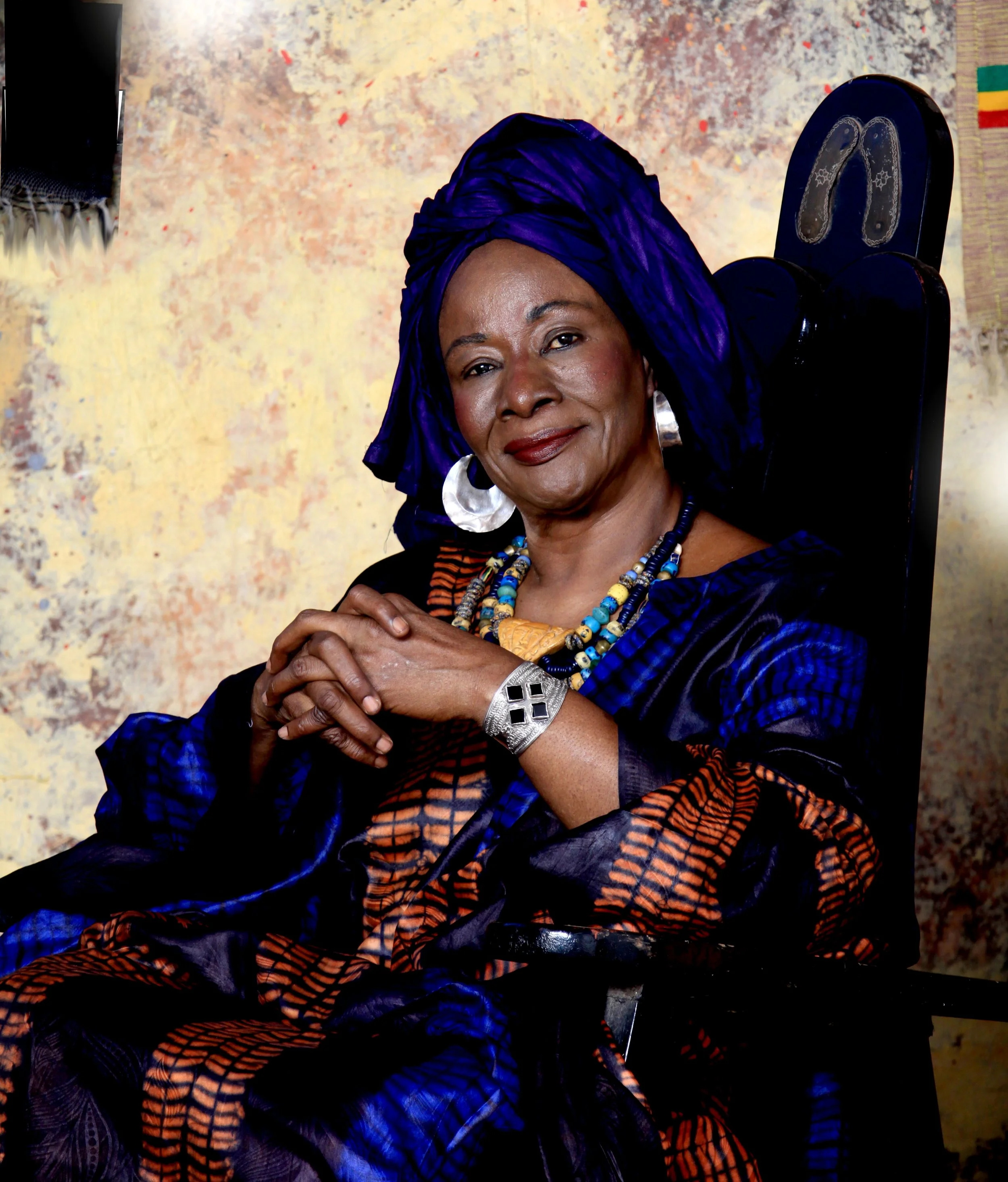
Aminata Dramane Traoré
Mali
Nihal ElAasar
Egypt

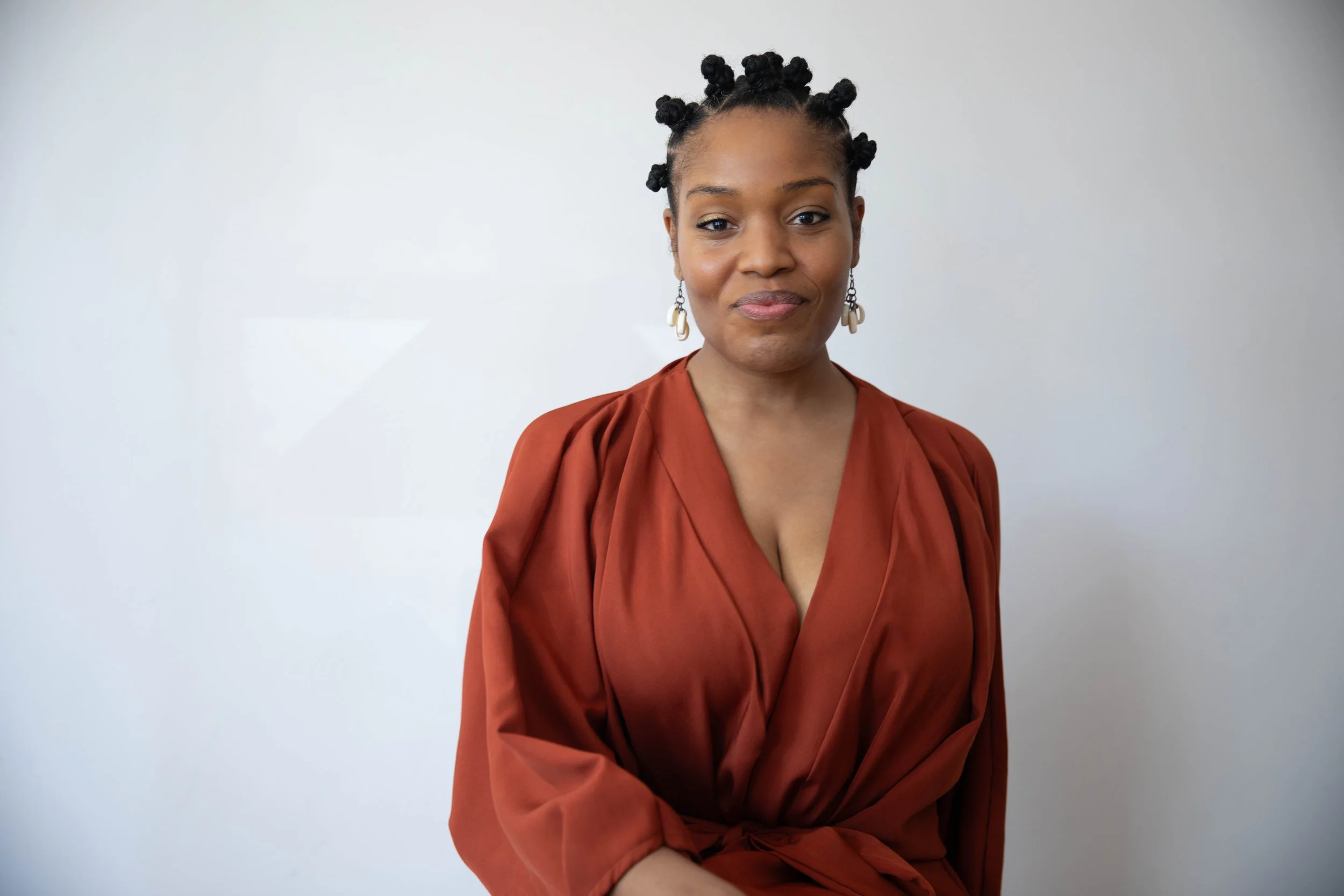
Shanell Oliver
USA
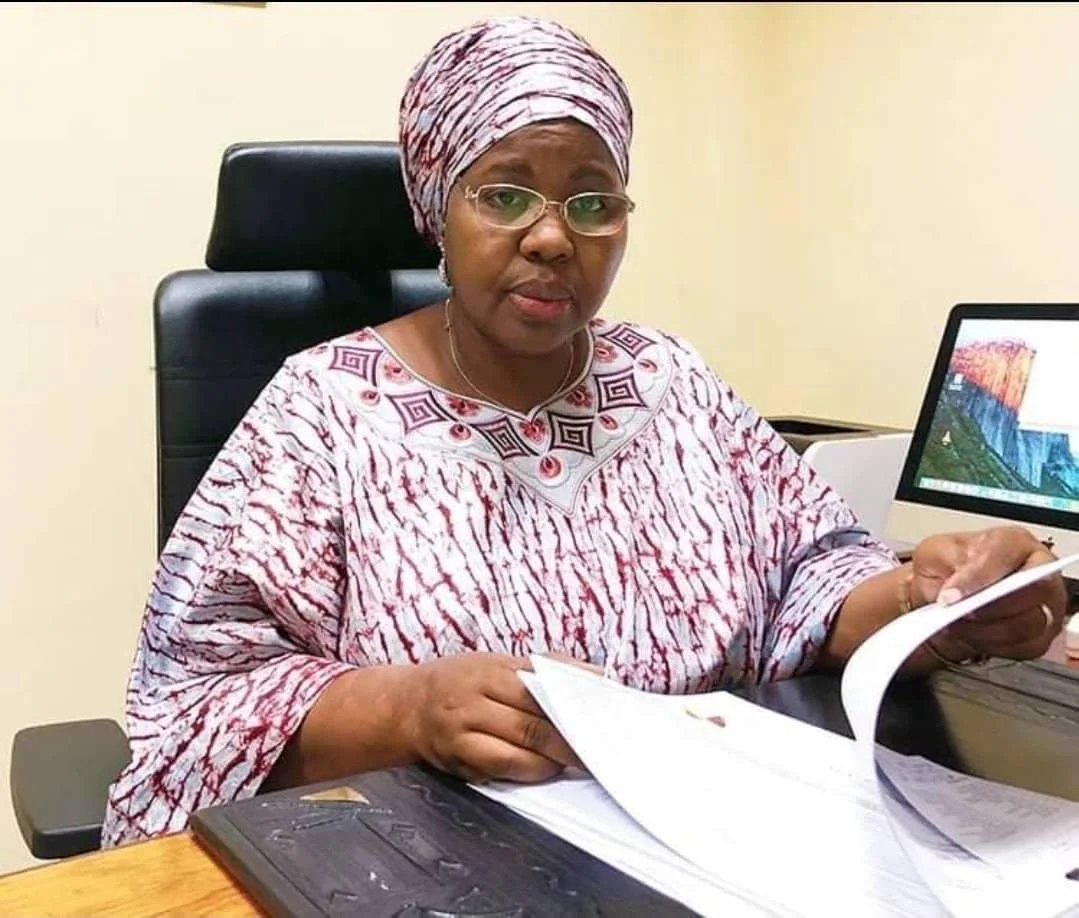
Assétou Founé Samaké Migan
Mali
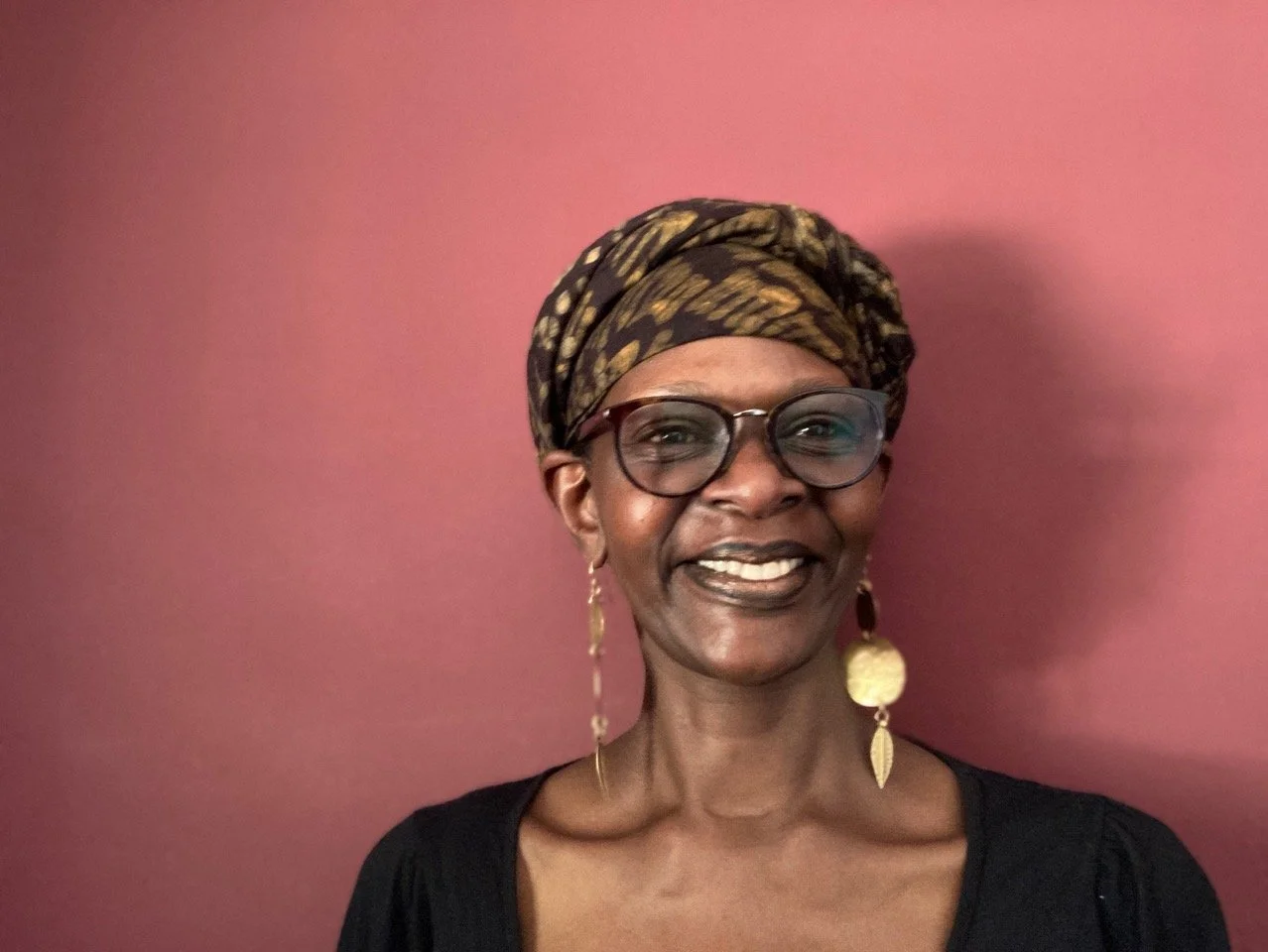
Nancy Kachingwe
Zimbabwe
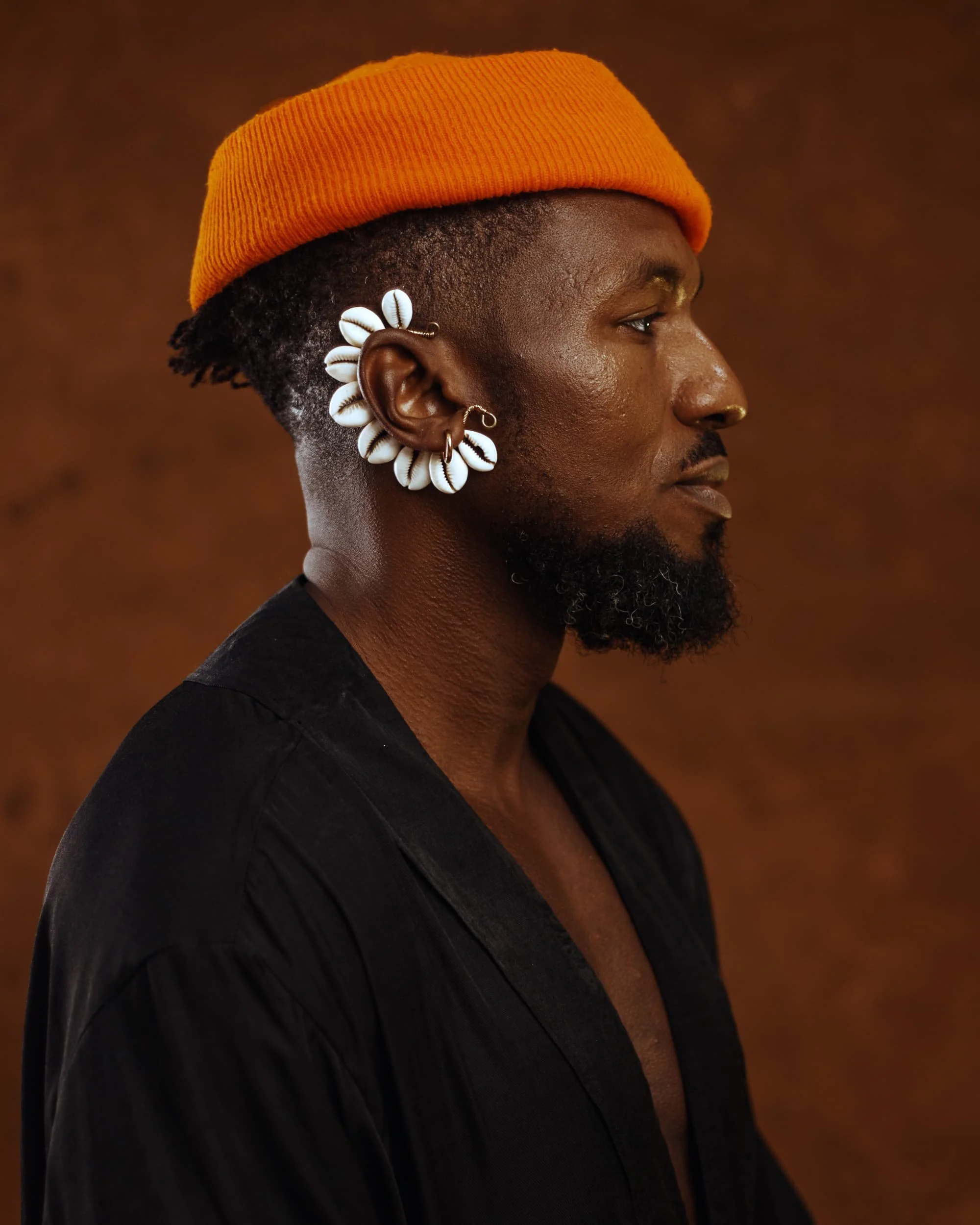
Fofo Skarfo
Togo
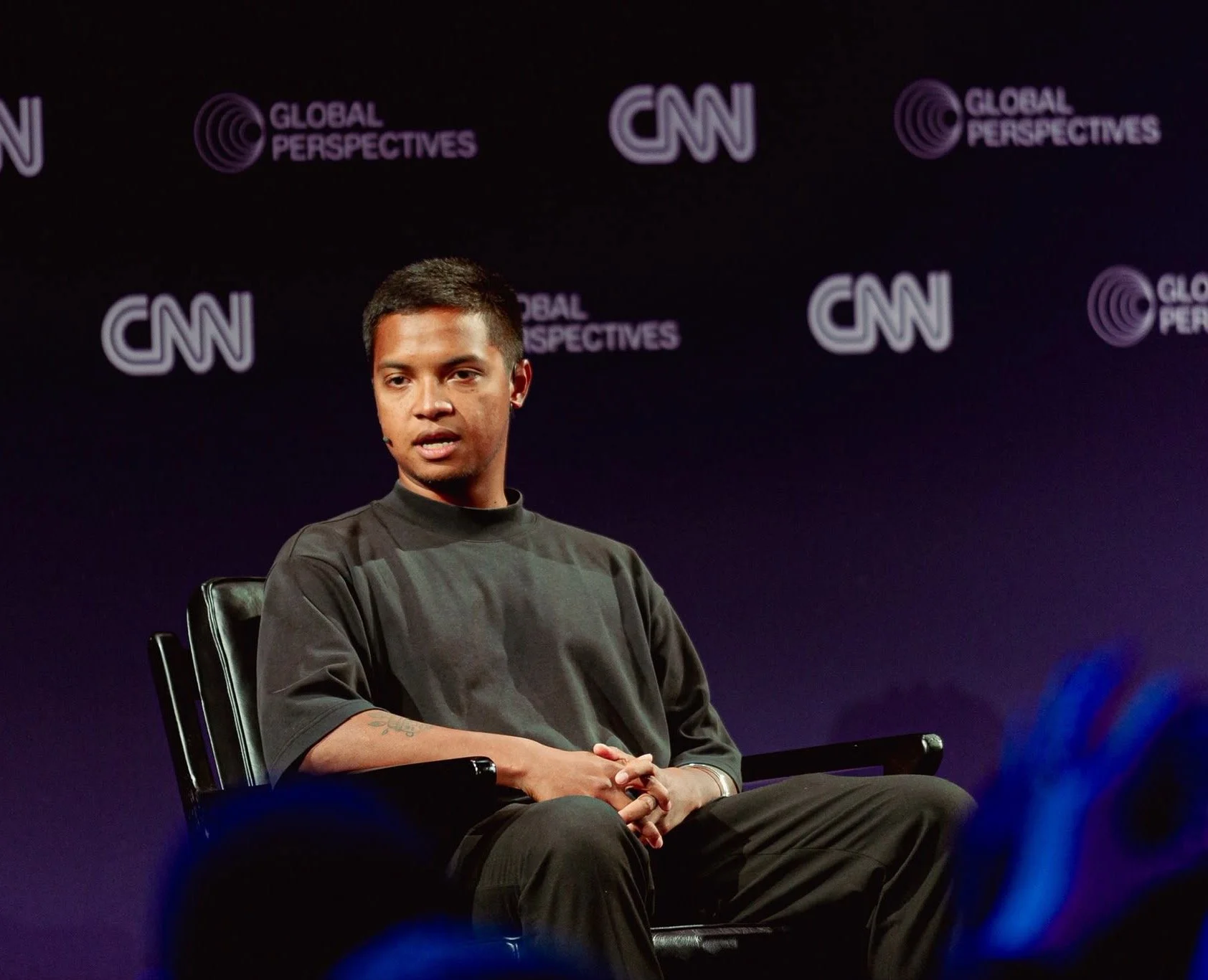
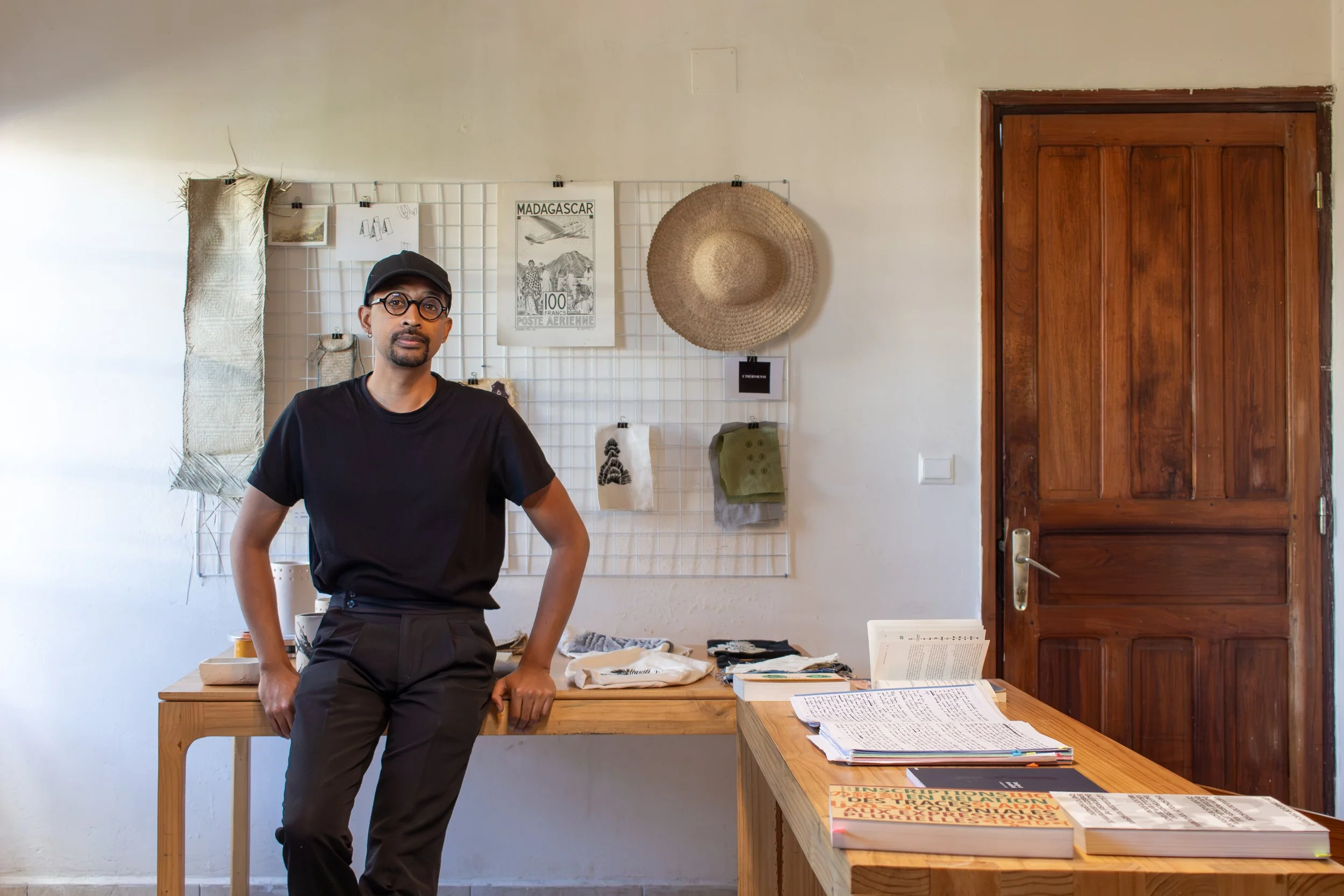
Elliot Randriamandrato
Madagascar
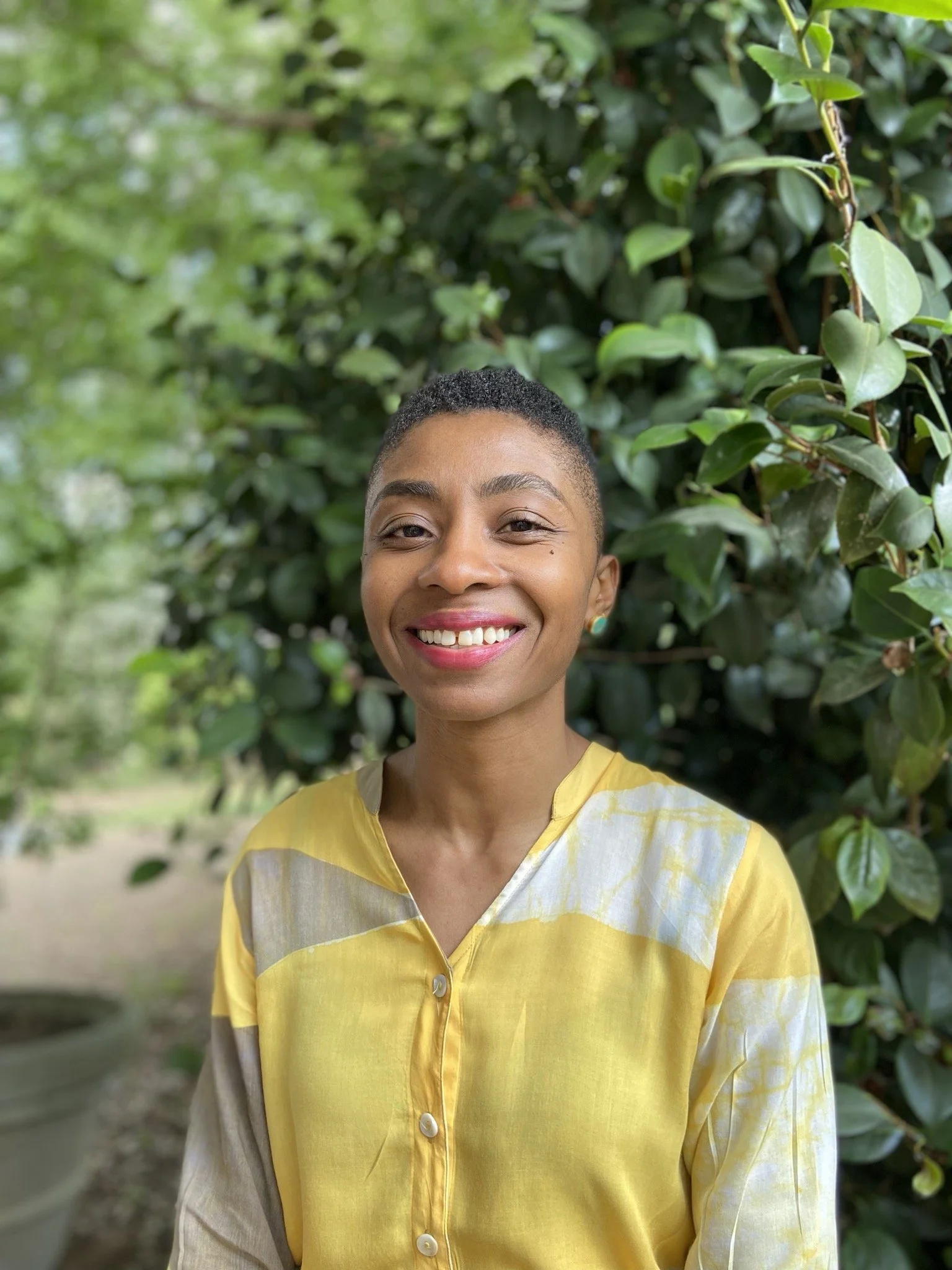
Otibho Obianwu
Nigeria
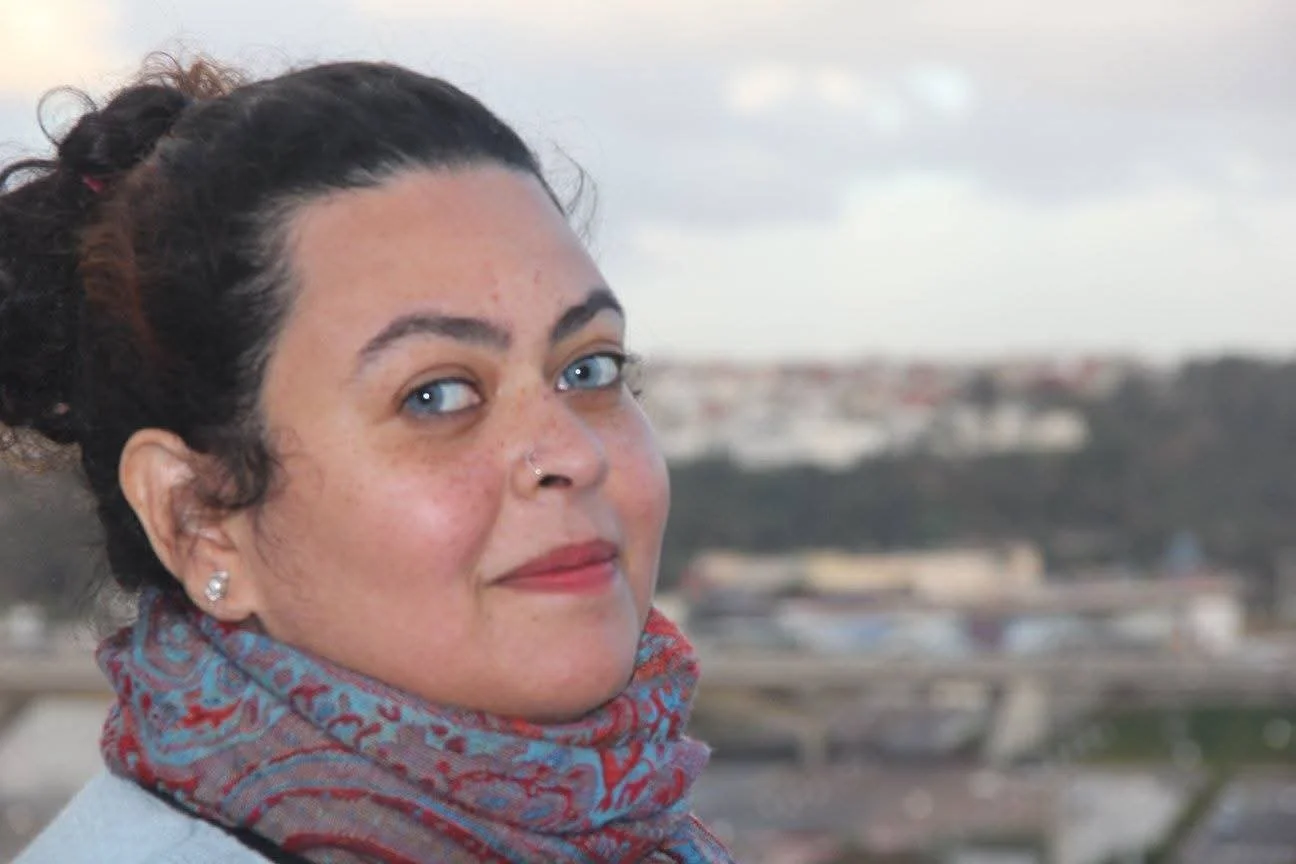
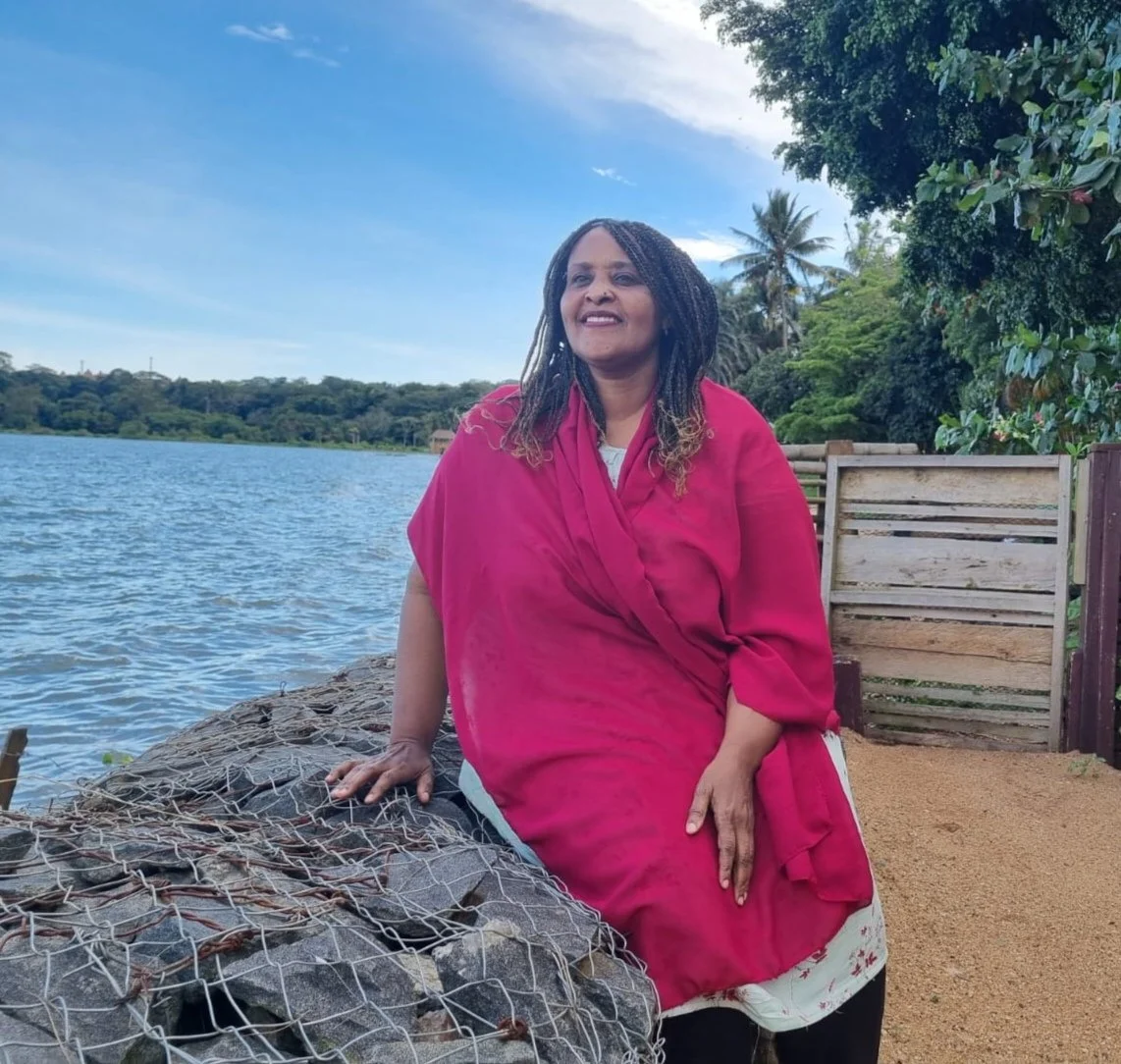

DePaul Bakulu
RDC
Mekeda Grunitzky
Ethiopia/Togo



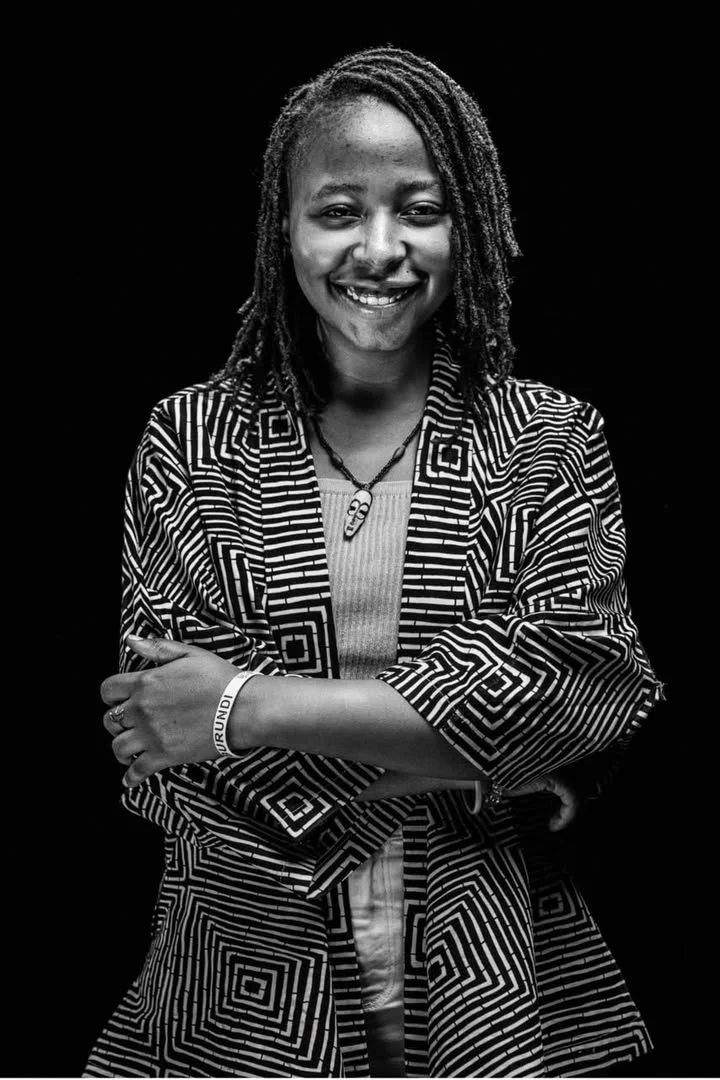

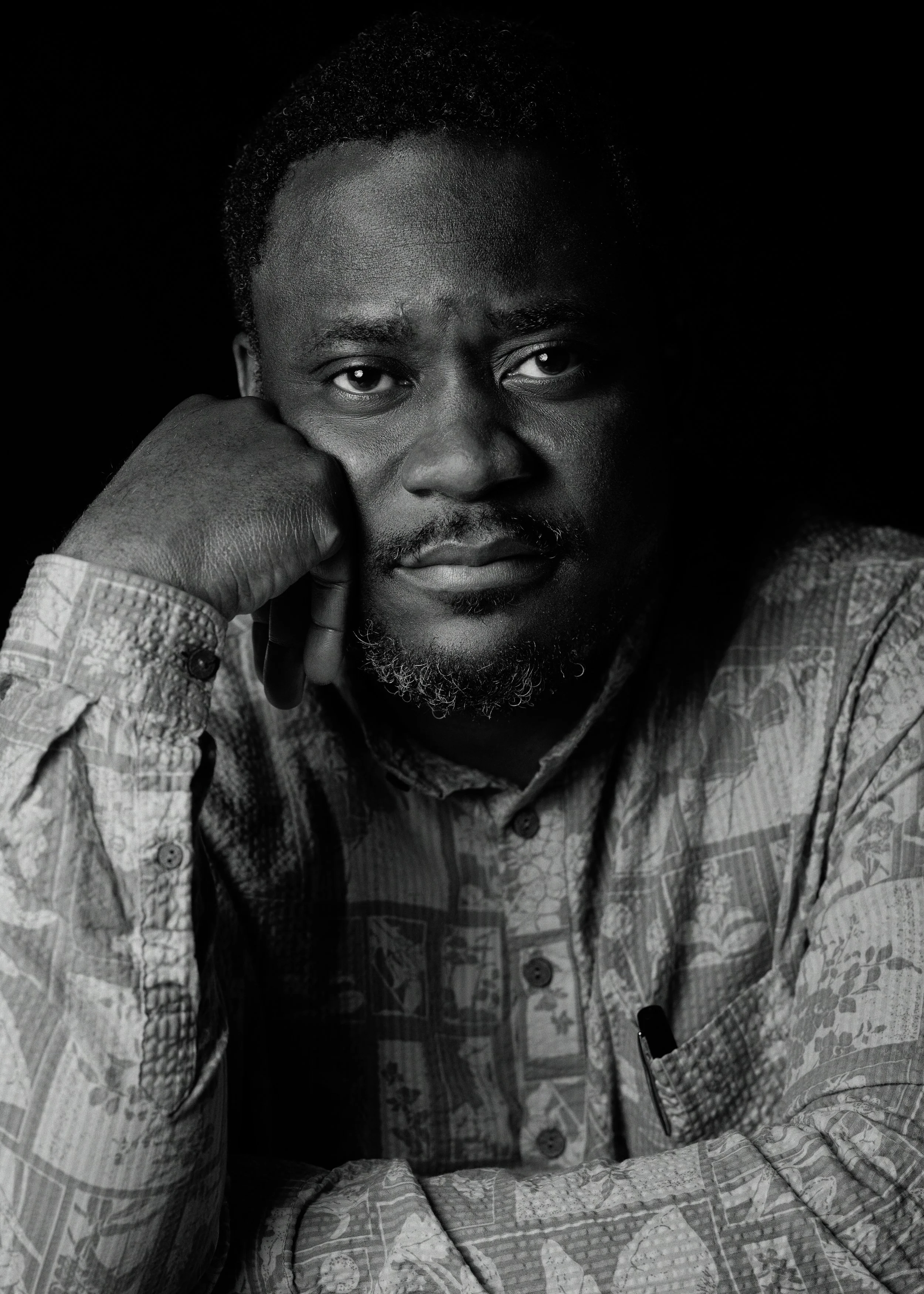
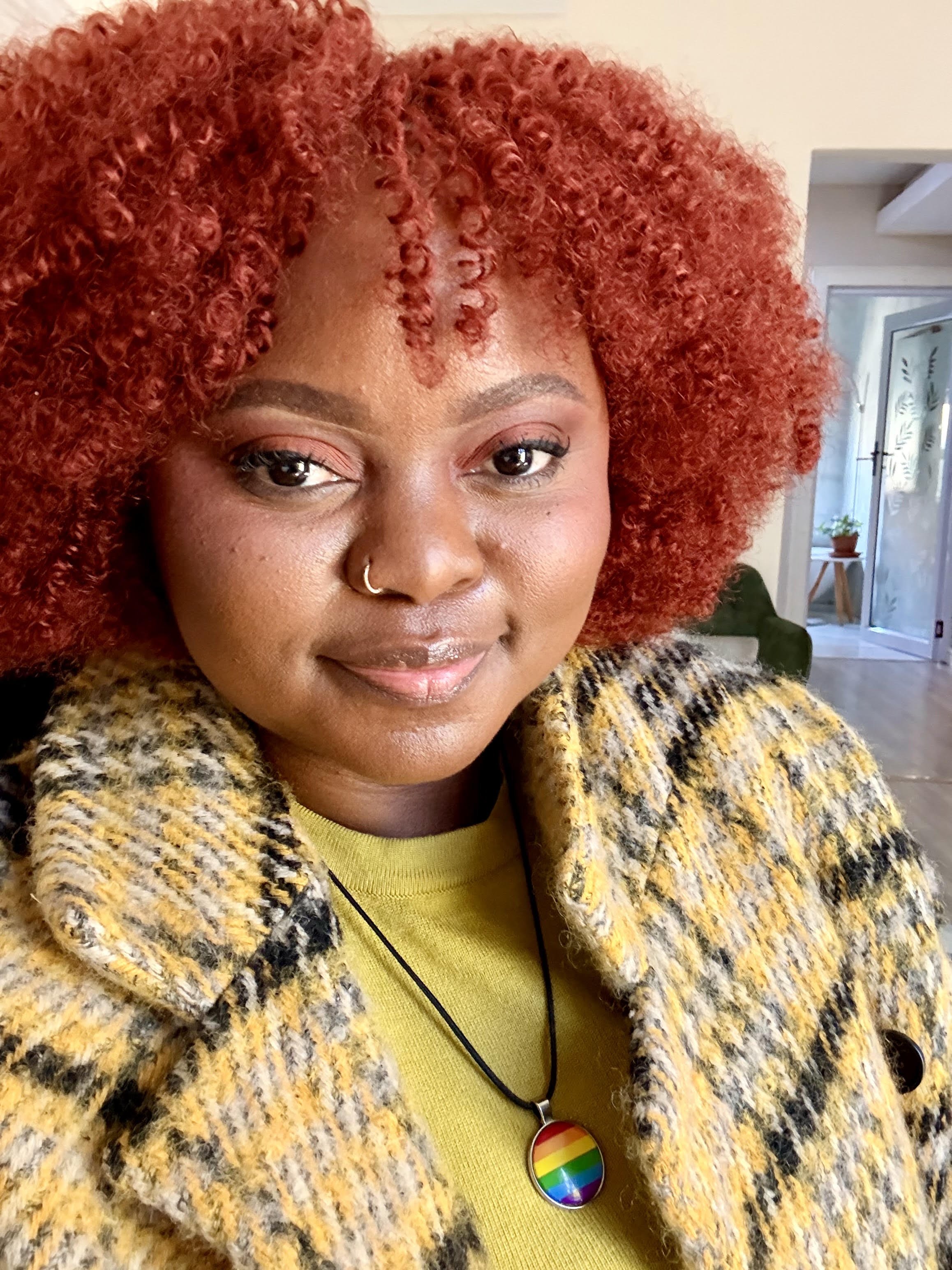
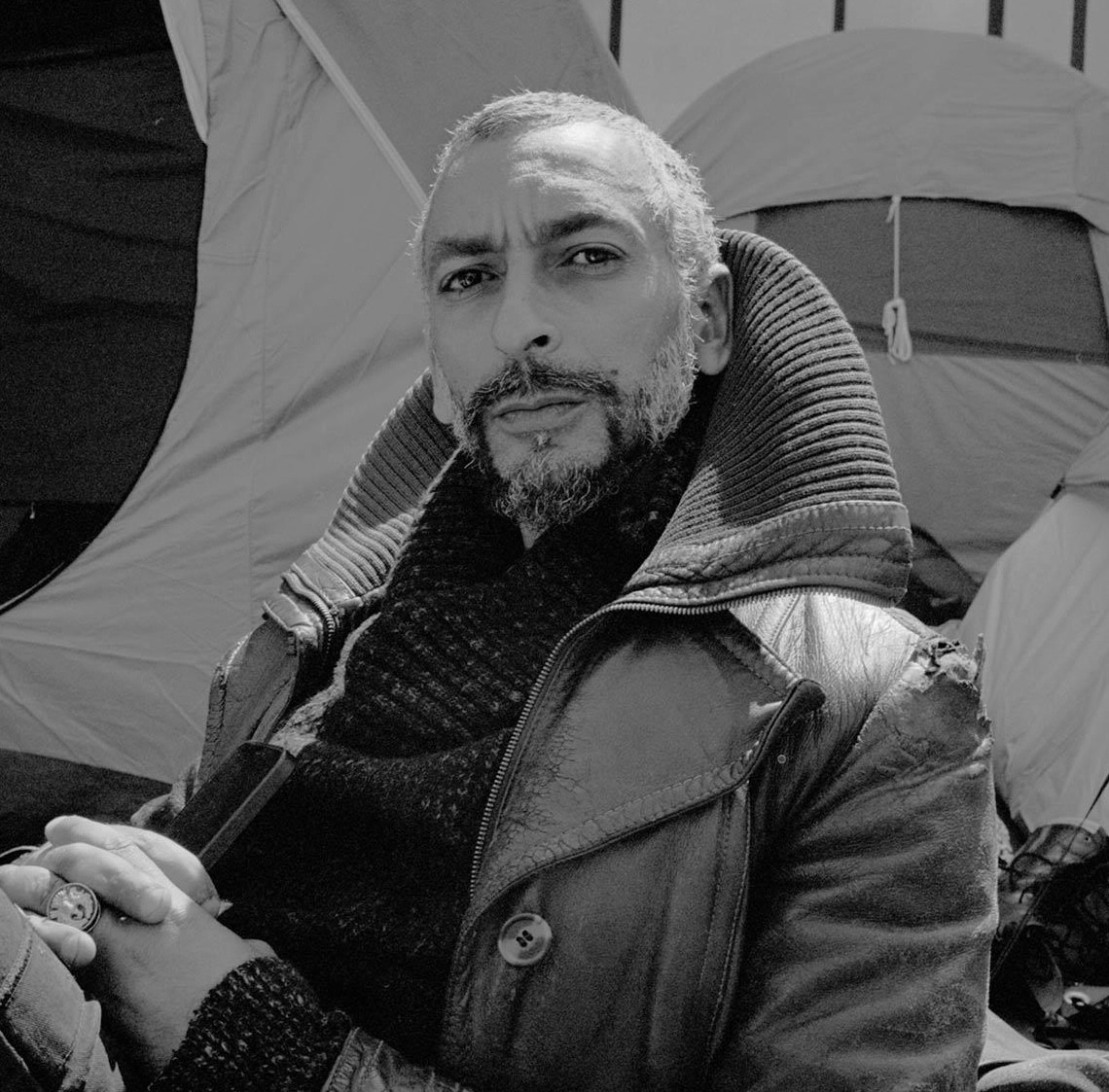

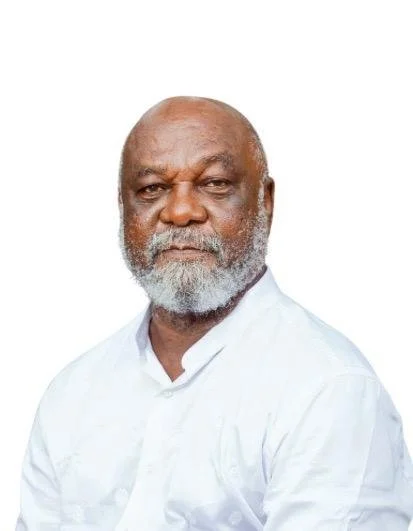
Prof. Kwame Karikari
Ghana
Najla Mohamed-Lamin Salma Occupied Sahara
Micheline Mwendike
DRC
Rebecca Kabuo
DRC
Shereen Talaat
Egypt
Rehab Hamid Fadelmola
Sudan
Domi Sanji
Madagascar
Dr. Gladys Kalema-Zikusoka
Uganda
Werewere-Liking
Cameroon/Côte d’Ivoire
Nadine Hounkpatin
Benin/France
Stéphane Simporé
Burkina Faso
Marius Dansou
Benin
Esther Abumba Mwiza
DRC
Broulaye Bagayogo
Mali
Hakima Abbas
Panafrican
Suzan Nada
Egypt
Abdarahmane Wone
Mauritania
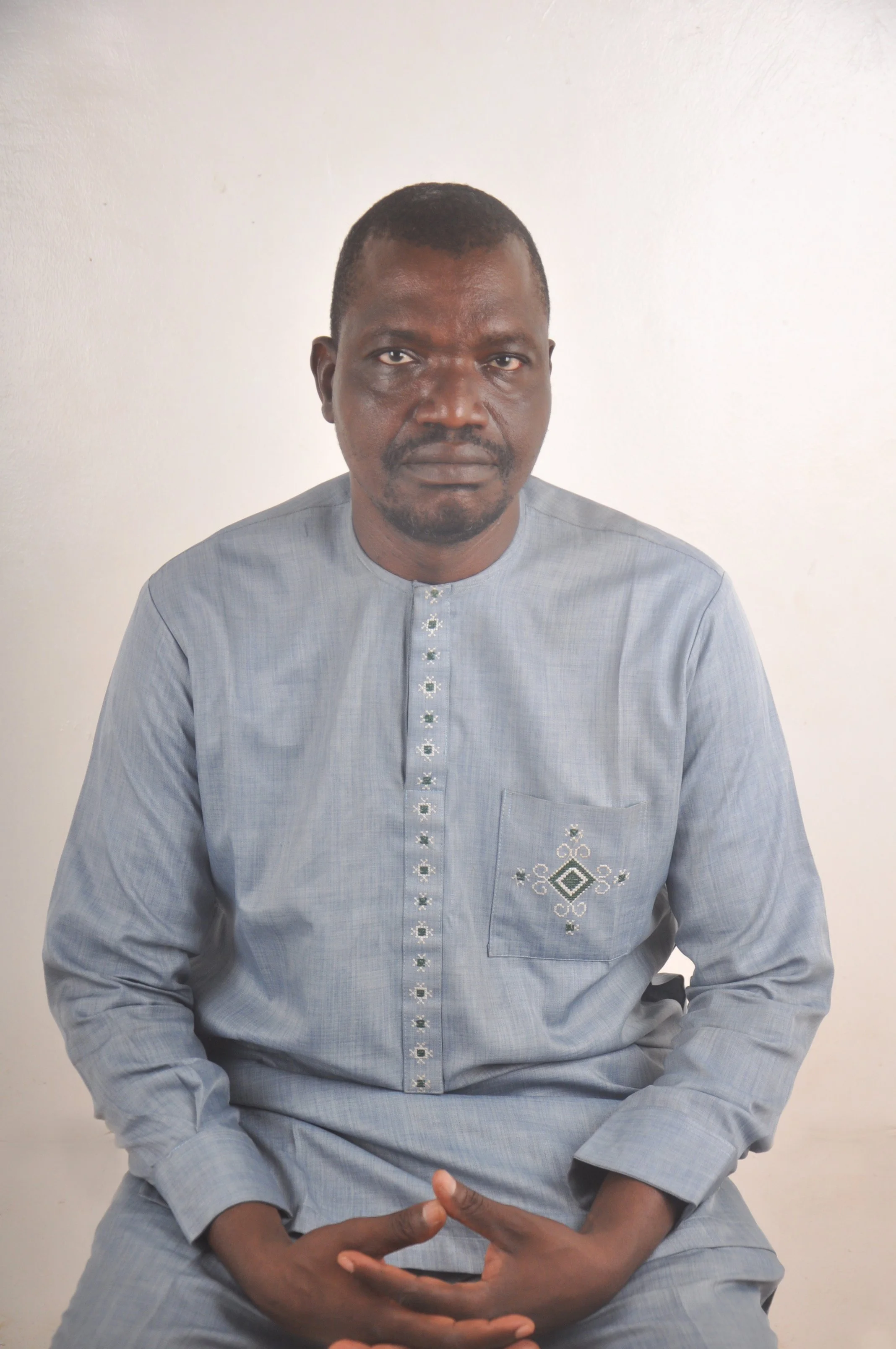

Mieruba
Mali
Na’eem Jeenah
South Africa
Phindu Zaie Banda
Malawi
VITEGHE VOLONTE Mapson
DRC
Mercy Mutemi
Kenya
Cheick Tidiane Mbaye
Senegal
Molemo Moila
South Africa
Bame Sanha
Botswana
Mona Eisa Yagoub
Sudan/Spain
Edwin Mutyenyoka
Zimbabwe/Germany
Joshua Reed
USA
Atfa Memaï
Algeria/France
Stéphanie Mwamba
DRC
Dr. Mohamed Abdou*
Egypt
Báyò Akómoláfé, Ph.D
Nigeria/India
Nejma Brahim
Algeria/France

FORMAT
-
“Grins” are daily and/or weekly hangouts around a teapot, under a tree, where friends meet for discussion and conversation on (in no particular order) the state of their community, country, continent, and world. Our Grins will have a similar spirit, but with predetermined topics to guide dialogues.
-
Formal sessions that will weave together a tapestry of perspectives and pathway ideas to illuminate the richness of what is already possible and what could be other.wise.
-
Designed to frame the theme of the day, but inspired by the butterfly effect, which posits that even seemingly insignificant actions or ideas can have important, far-reaching outcomes.
OUR APPROACH
As both facilitator and co-conspirator, Djolifon strives to co-create spaces, lines of inquiry, approaches, and processes with as diverse a range of individuals, collectives, and networks exploring how to respond to the crises of our time as we can. Our continuously adaptive approach reflects a passion for critical connections, a deep appreciation of our interconnectedness with all that exists, and the wisdom to be found in the marginalized or overlooked peripheries of discourse and practices.
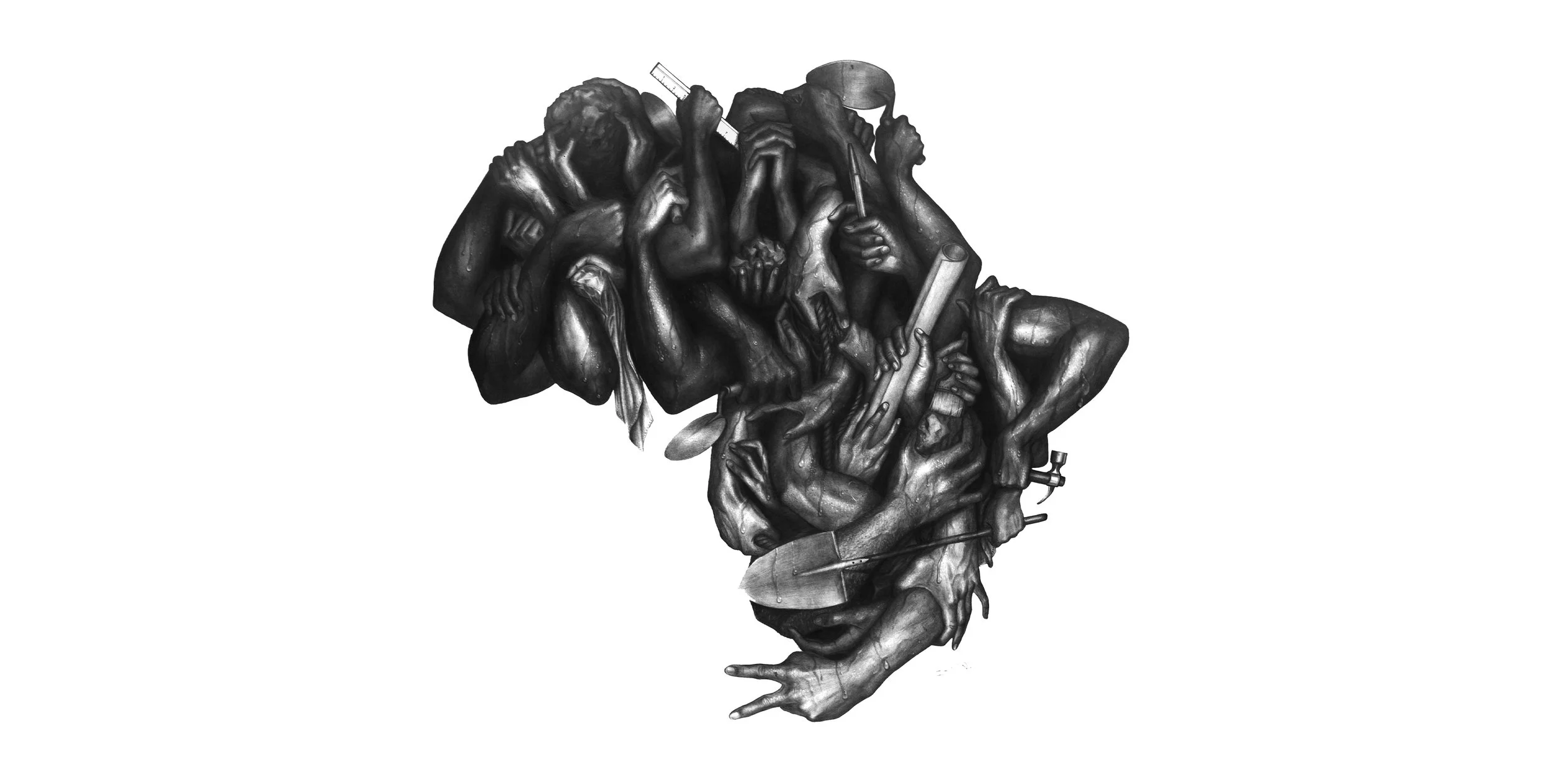
Credits: Illustrations by Edizon Musavuli; video by Anastasie Langu Lawinner; collage by Nakhanu Wafula; photos by Mariam S. Armisen and website by Terry Nerima.
VALUES UPHELD BY THE CONFERENCE
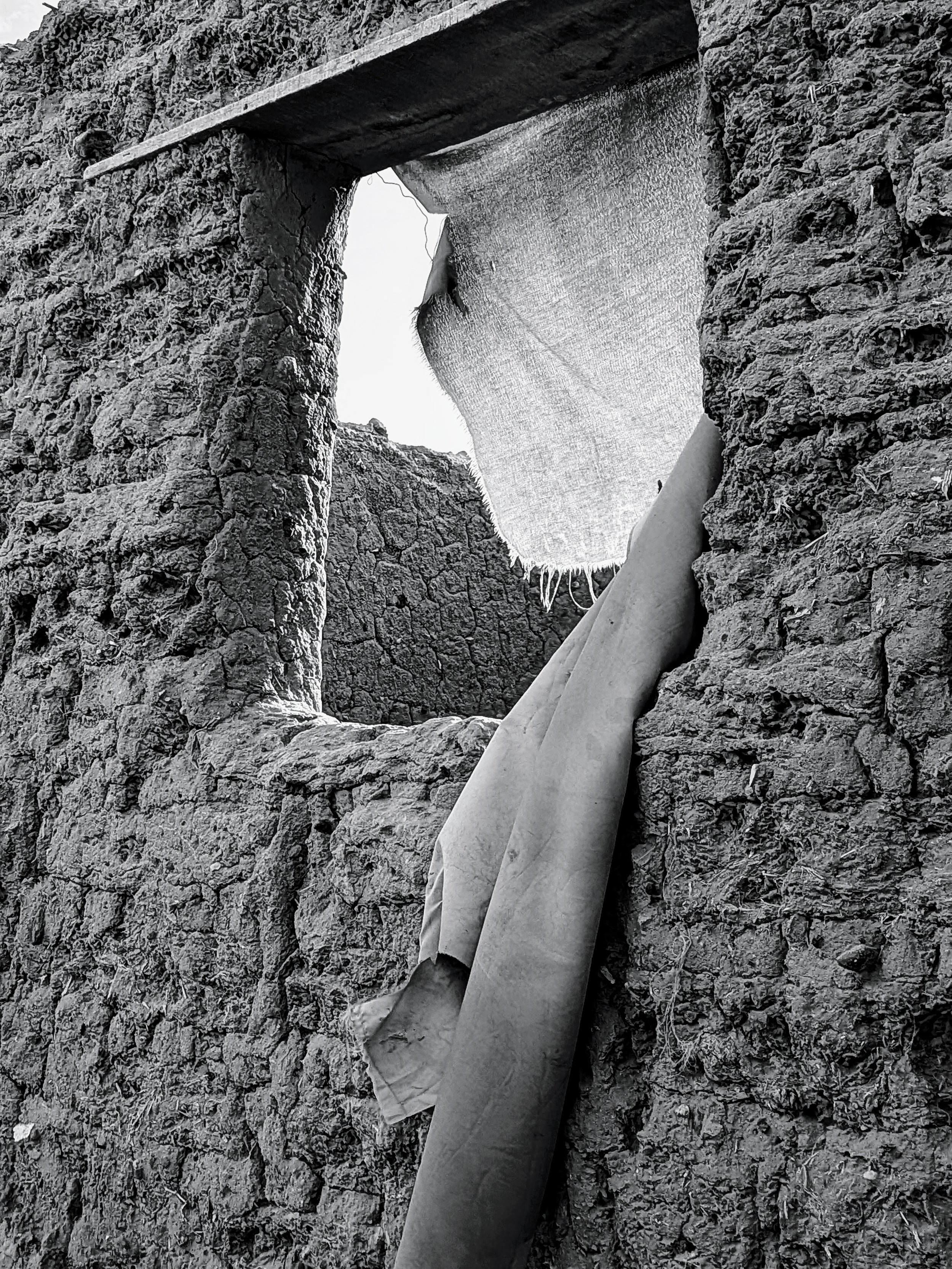
TRANSMISSION
Reciprocity in artistic praxis and activism through intergenerational, translocal, transdisciplinary, and transprofessional entanglements that seek and welcome enrichment of the tapestry of inquiry, approaches, processes, and interactions of our collective attempt to forge the other.wise.
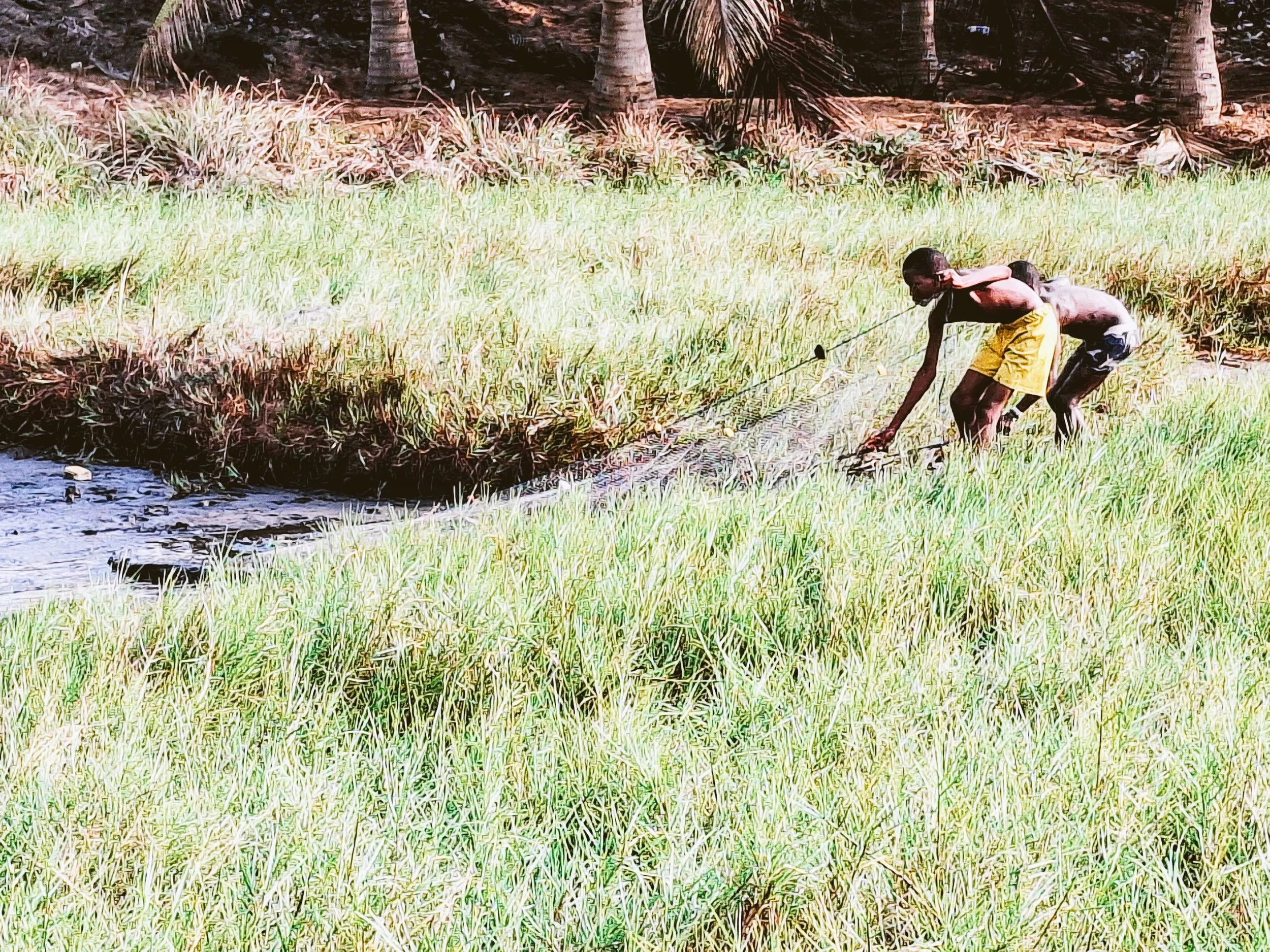
Plurality
Celebrating the diversity of perspectives, cultures, ideologies, and identities (whether based on ethnicity, religion, gender expression, sexual orientation, or physical ability), that characterize the African continent.
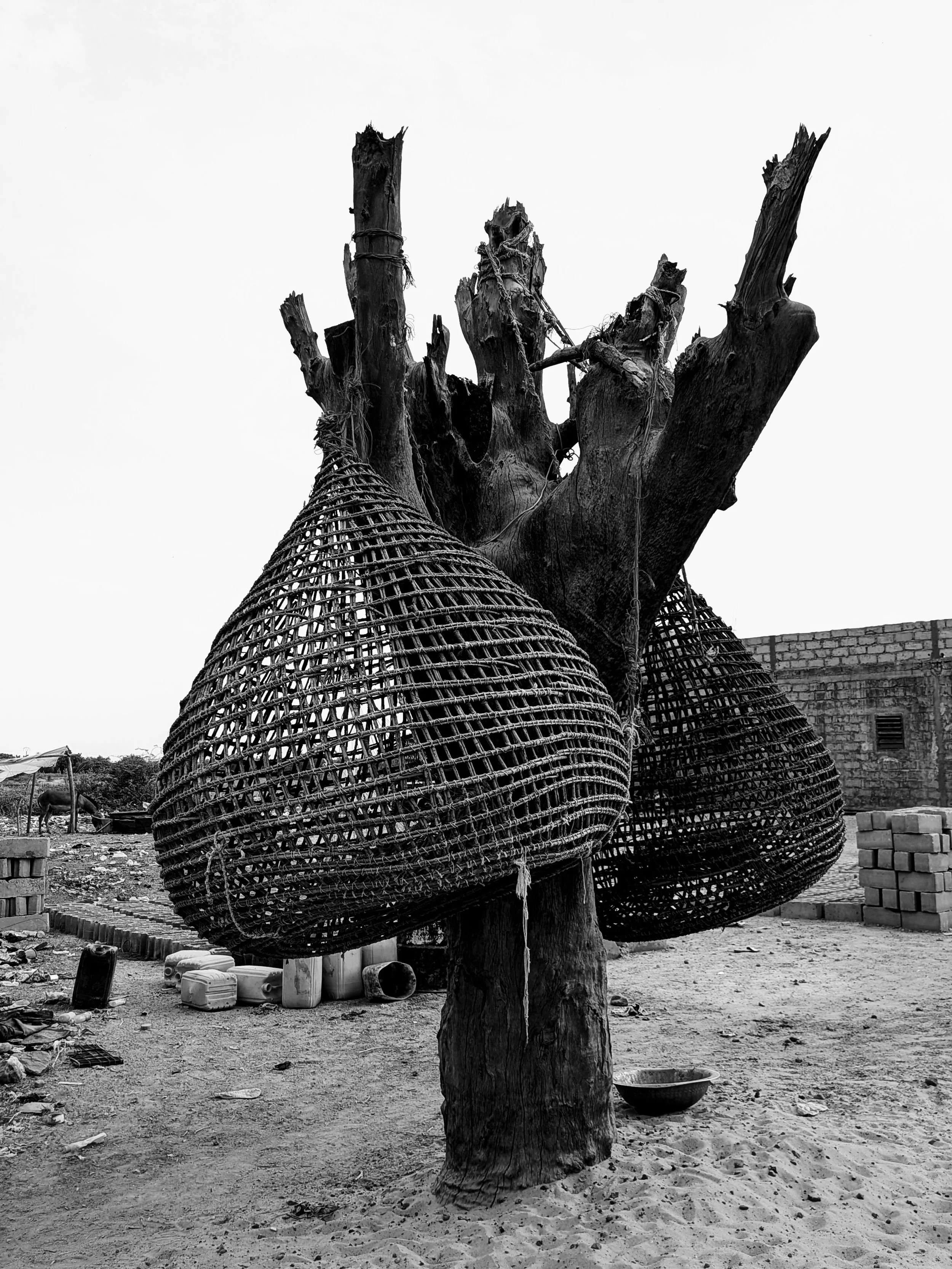
Action
Relational
Emphasizing the beauty and tenderness of human connection, collaboration, and solidarity.