

Othered Subjectivities in the Age of Hyperimperialism
day 2
6th October 2026
Day’s
presentation
8:00 -9:30 GMT
Africa in an Unraveling World
This opening session will set the stage for the second day by critically examining the contemporary world order through an African lens. It will explore the emerging dynamics of hyperimperialism—a term suggesting a new, more intense phase of global power imbalances and geopolitical maneuvering—and analyze its specific manifestations and impacts on the African continent.
KEYNOTE SPEAKER
8:00-9:30 GMT
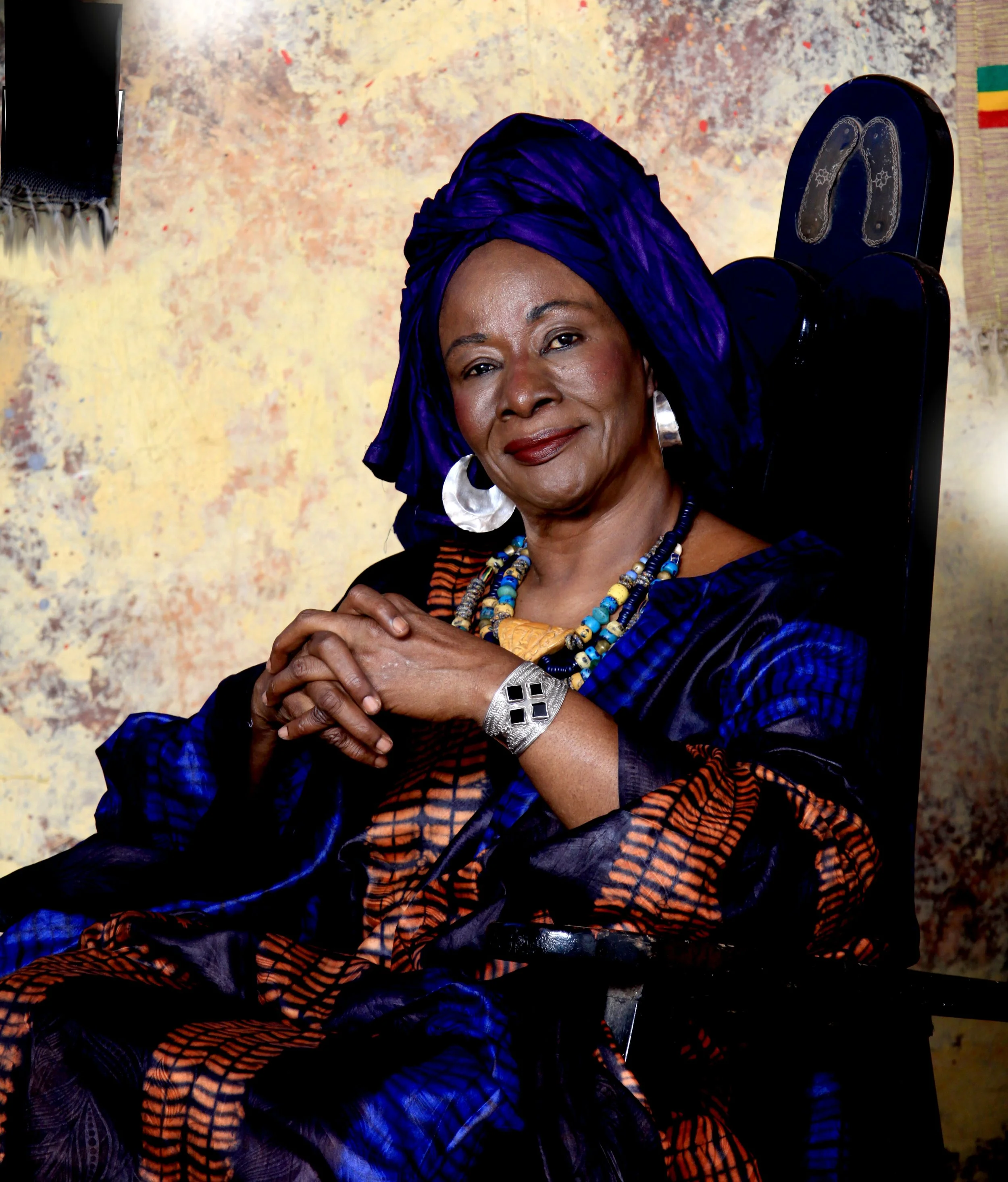
Aminata Dramane Traoré
Mali
ROUND TABLE 3
10:00 -11:30 GMT
Foundations of Alternatives: Re(constructing) the Architecture of Democracy and Development from Africa
This session will go beyond analysis to propose political alternatives rooted in African realities. It will critically assess current “African” models of democracy and development, often imposed or influenced from outside, and explore endogenous models originating in and adapted to local contexts, historical legacies, and the aspirations of African peoples. Emphasis will be on participatory approaches, citizen movements, and governance structures that empower ordinary African citizens and prioritize their well-being.
MODERATOR
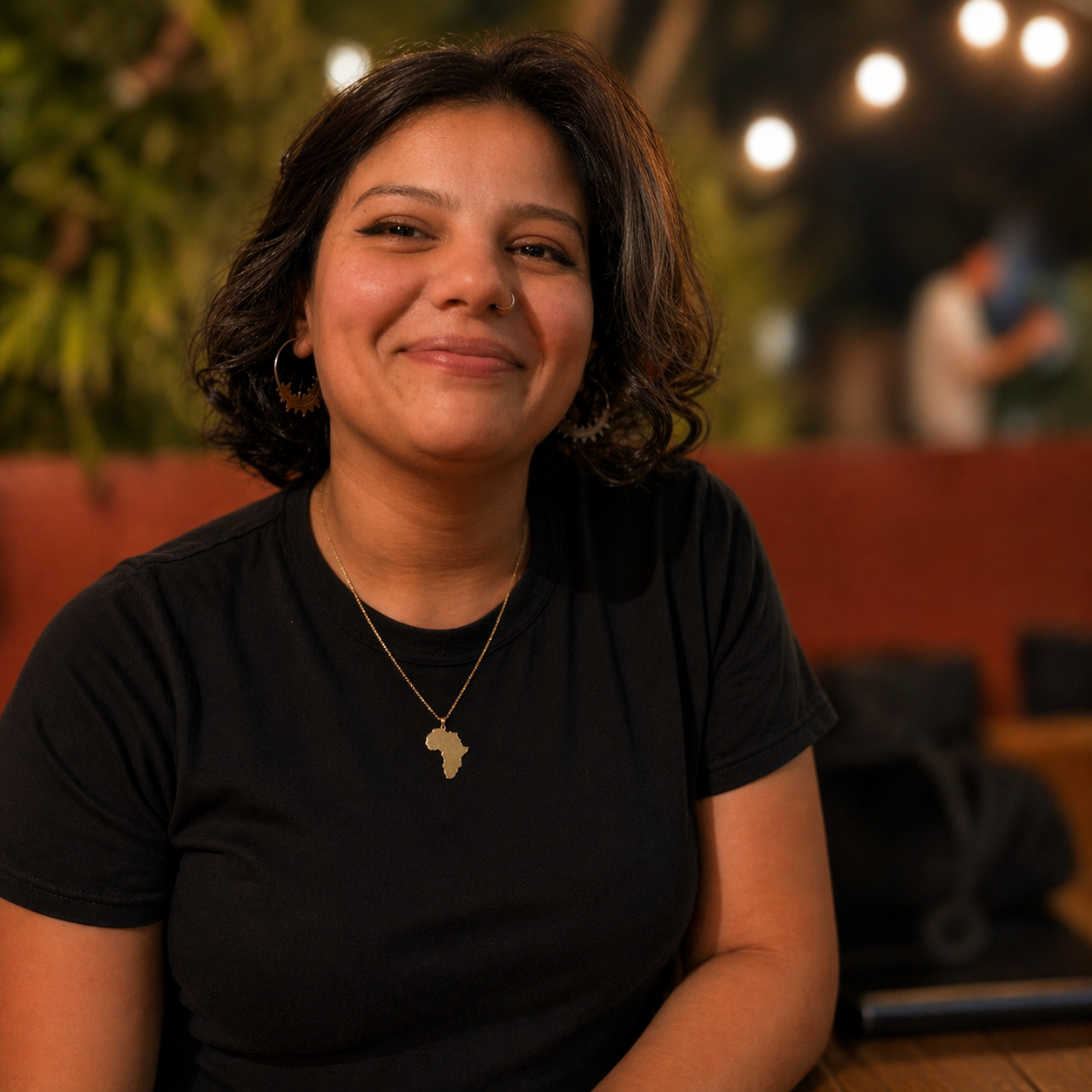
Assala Mdawkhy
Tunisia
PANELISTS
Aminata Dramane Traoré
Mali
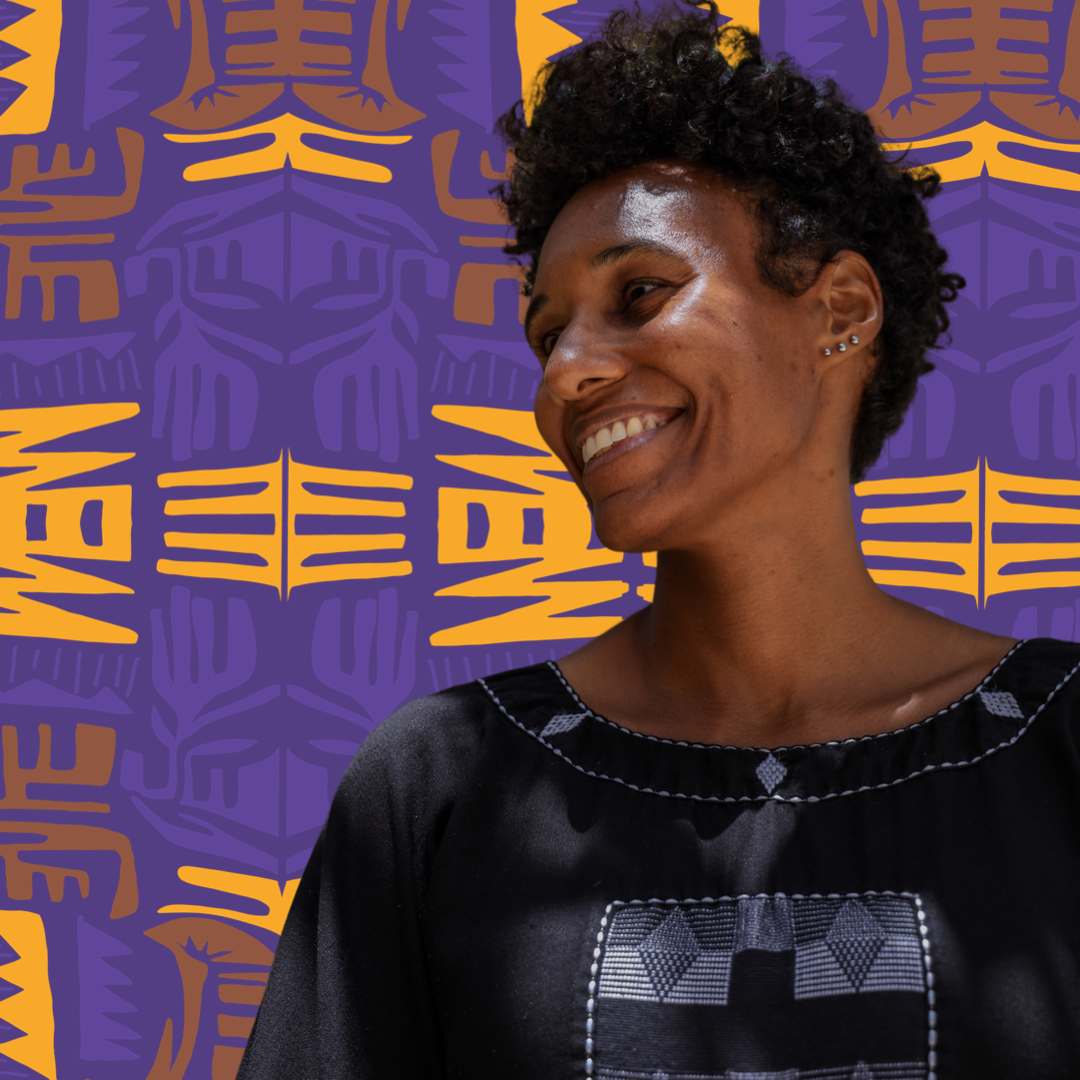
Hakima Abbas
Pan-Africa
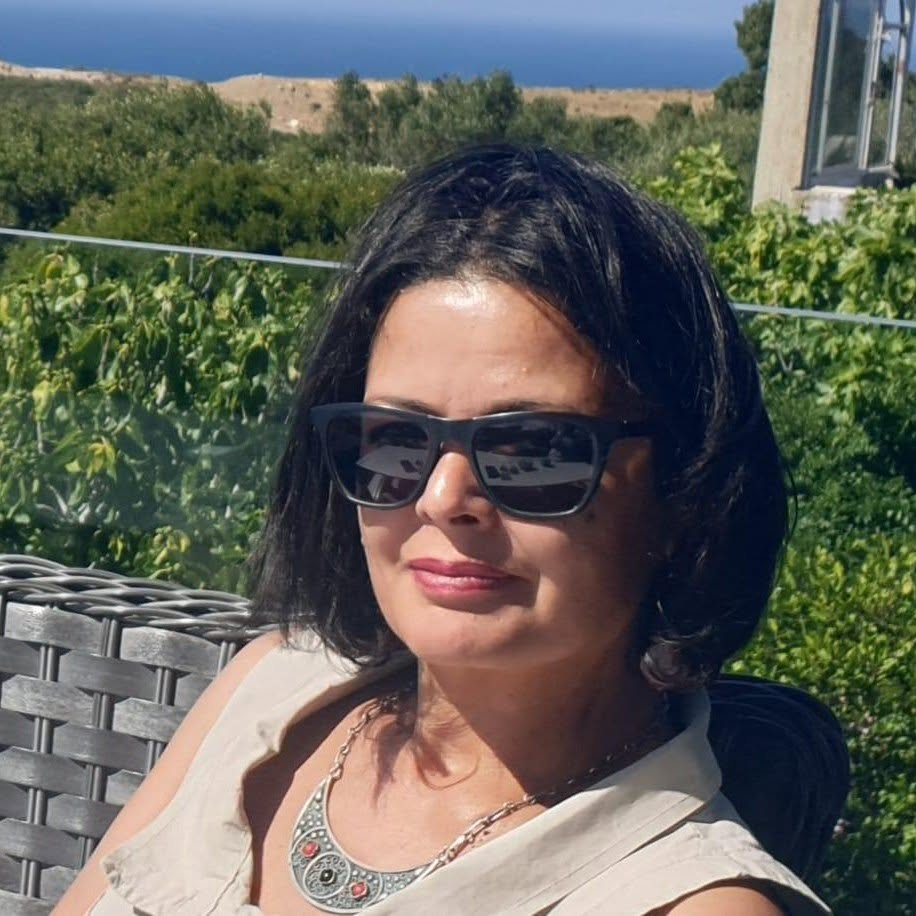
Suzan Nada
Egypt
ROUND TABLE 4
12:00 -13:30 GMT
(Im)Mobility: Towards Radical Articulations of Citizenship and Plurality
This roundtable will bring together artists and activists for a dynamic discussion on the complex interrelationships between migration, belonging, and a shared future. The concept of “(im)mobility” acknowledges the multifaceted nature of migration and displacement in relation to the constant flow of human populations. The participants will share their artistic and activist perspectives and practices on how migration challenges conventional notions of citizenship and universalism, and how cultural pluralism can be both a source of tension and enrichment. The discussion will explore how different forms of knowledge production through art are powerful tools for fostering empathy, bridging divides, and imagining alternative forms of collective belonging and shared responsibility for the commons in an increasingly interconnected and mobile world.
MODERATOR
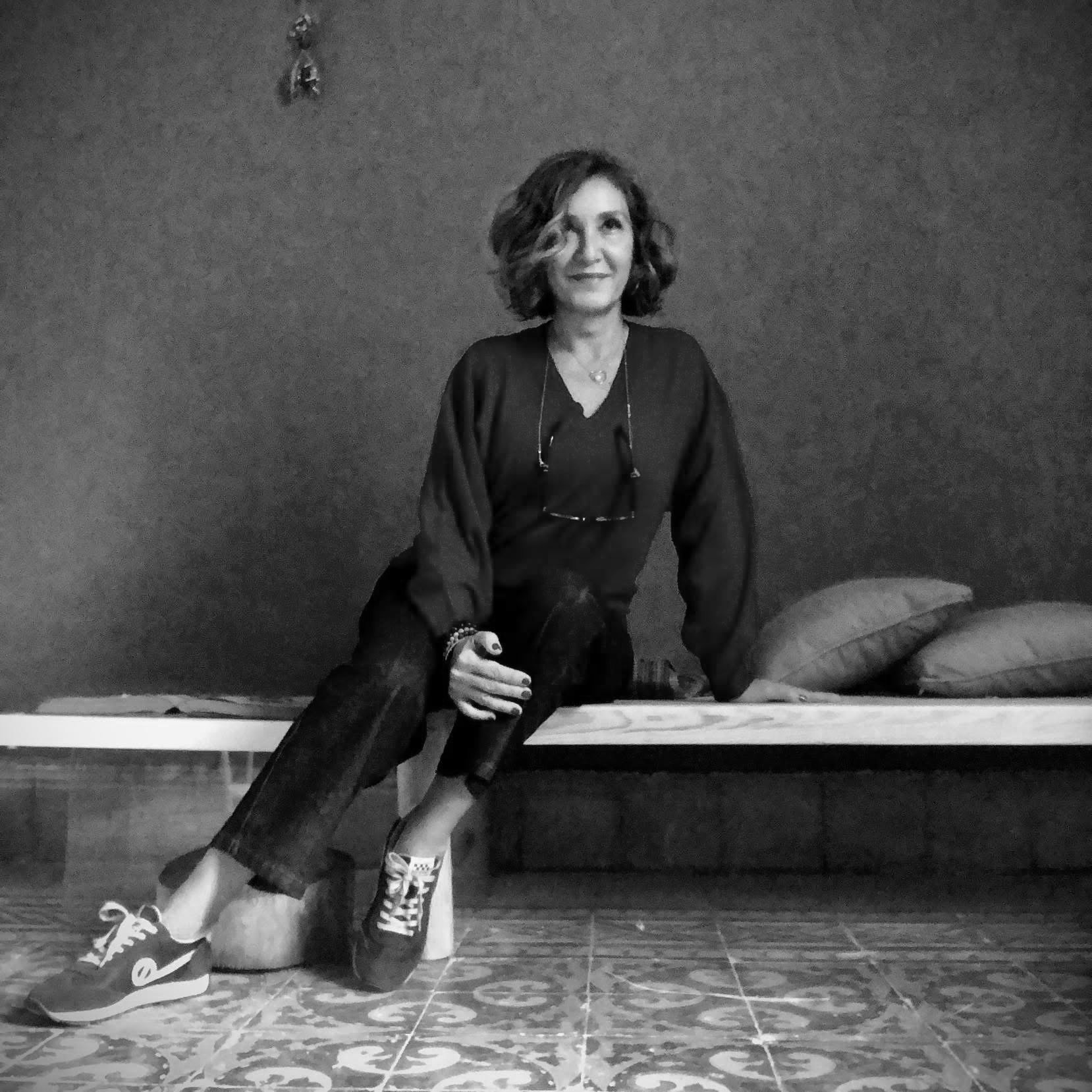
Héla Ammar
Tunisia
PANELISTS

Prince Franck Edja
Côte d'Ivoire
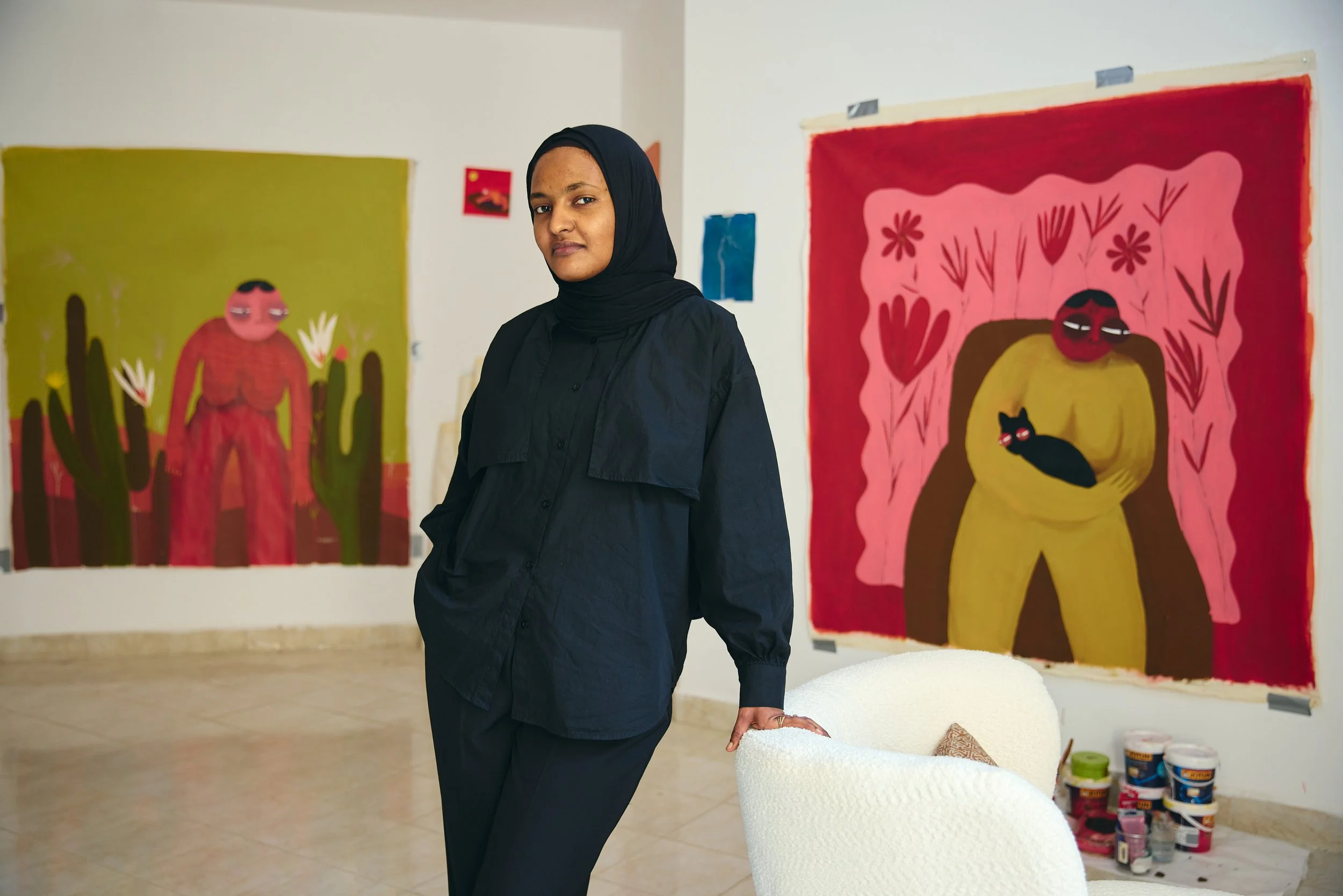
Reem Aljeally
Sudan

Nejma Brahim
Algeria/France
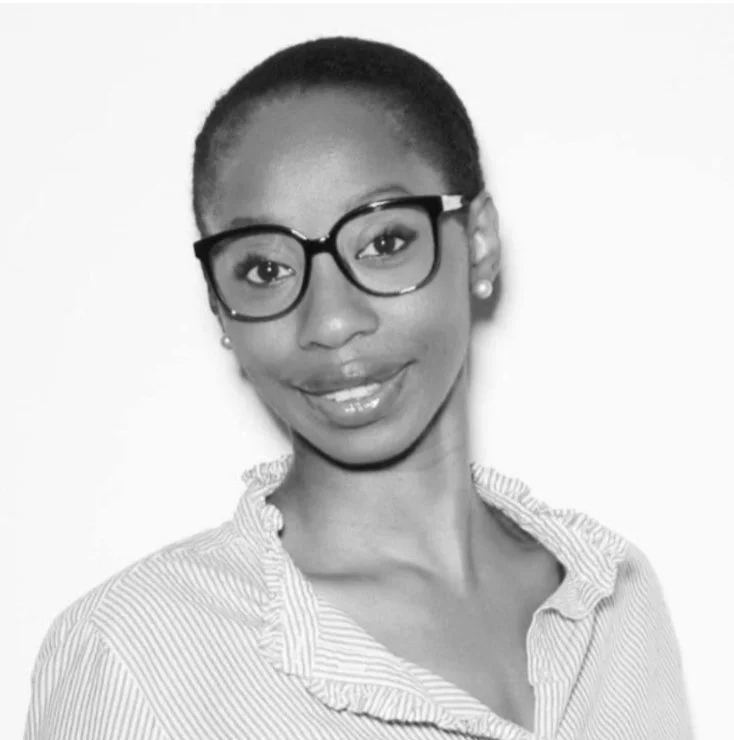
Nadine Hounkpatin
Benin/France
ROUND TABLE 5
14:00 -15:30 GMT
The Cycle of Exclusions: Afrophobia, Xenophobia, Border Externalization, and Unapologetic Racism and Fascism. What Future(s) for Pan-Africanisms?
The contemporary global geopolitical landscape is marked by a troubling cycle of exclusions characterized by rising afrophobia, xenophobia, extraterritorial border control, and an unapologetic racism that flirts dangerously with forms of avowed fascism. One of the most pernicious manifestations of this exclusionary dynamic lies in the way Western countries delegate the militarization of borders to African nations under the guise of financial support. Many African governments, in turn, subcontract this repressive task to local nationalist factions and vigilantes. The result is a genuinely perverse social contract in which xenophobia becomes the inevitable byproduct of governance, fueling internal divisions and suspicions between African communities. In light of this reality, we are face with a crucial question: What future(s) does it make possible for Pan-Africanisms, particularly progressive Pan-Africanisms?
MODERATOR
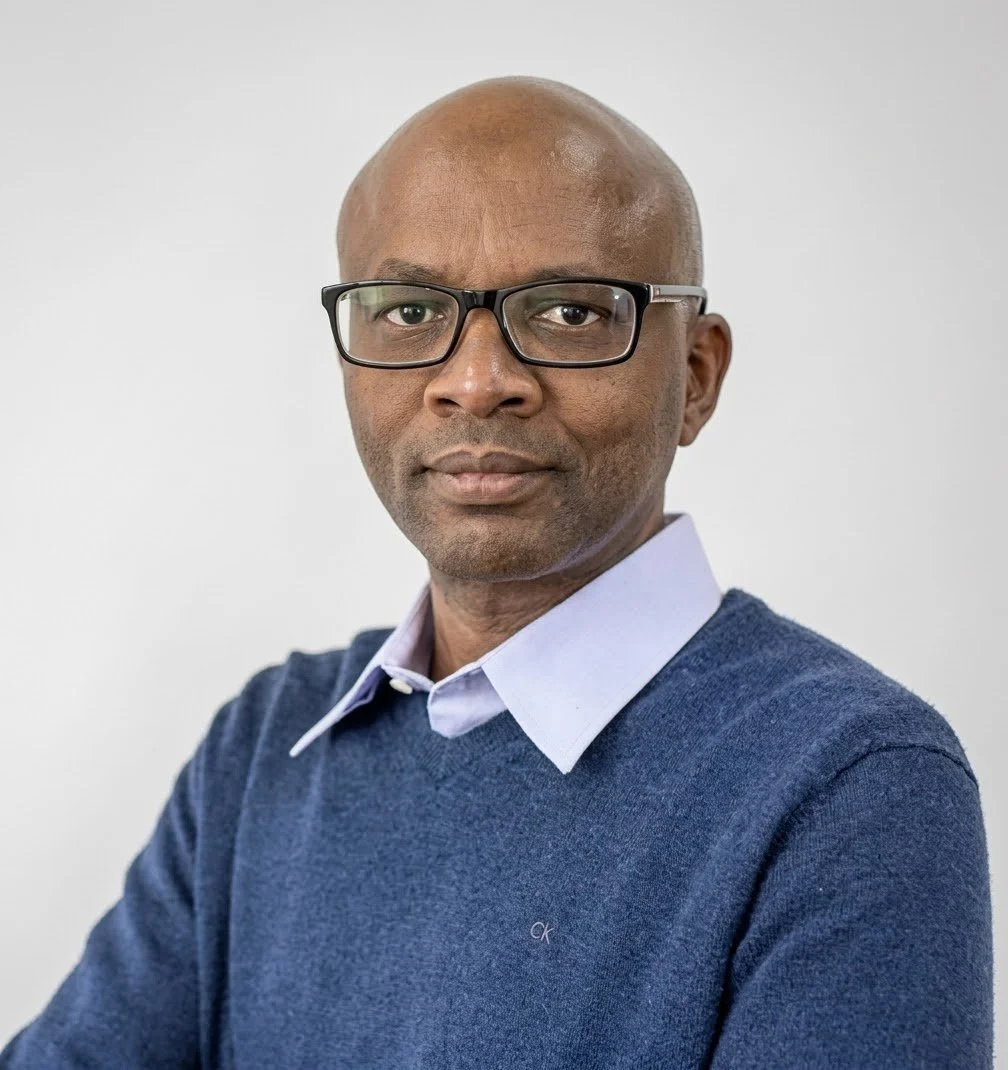
Abdarahmane Wone
Mauritania
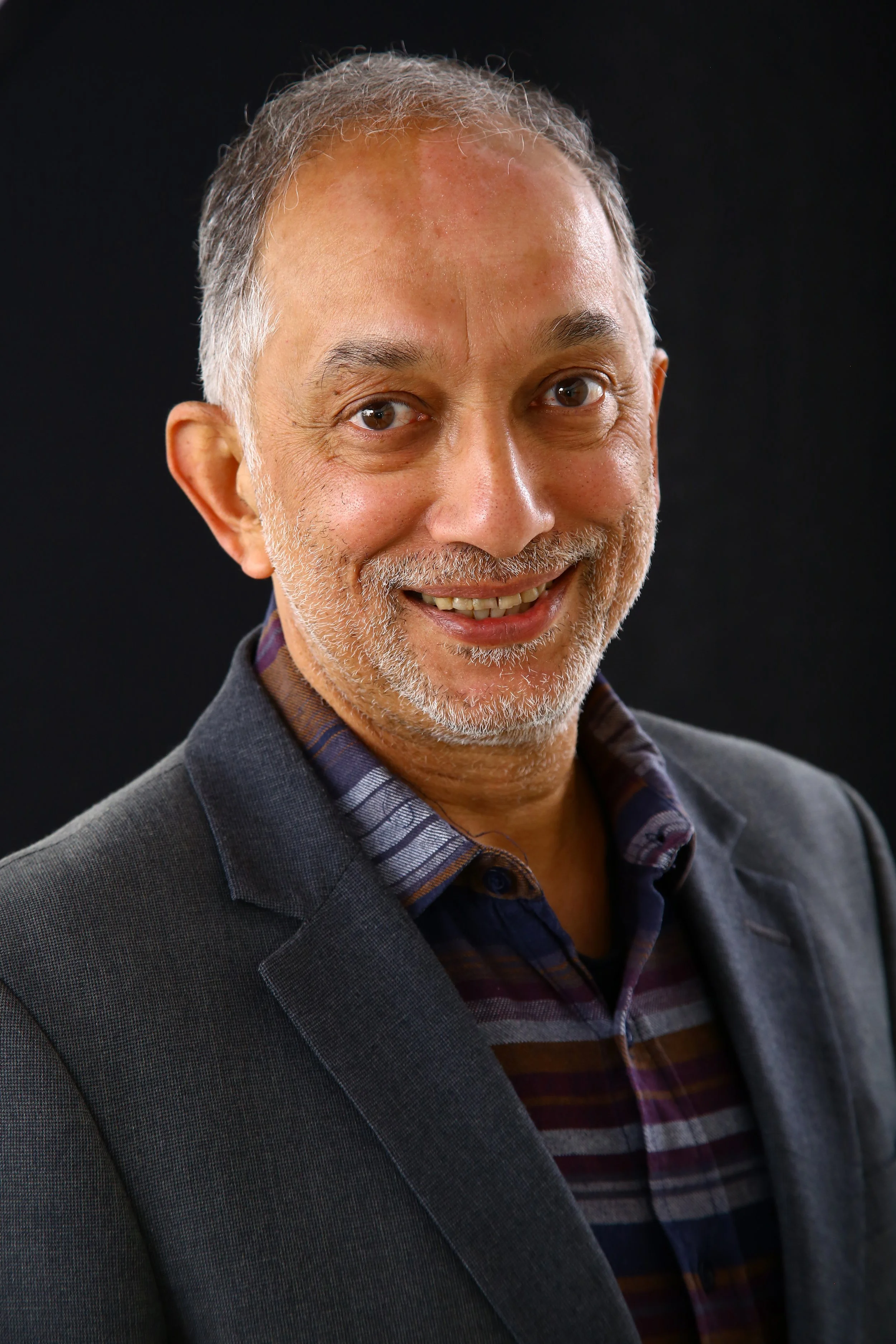
Na'eem Jeenah
South Africa
Panelists

GRINS
16:00-17:00 GMT
GRIN 1 : Reimagining Education in Africa: Paths of the (Im)Possibles
16:00 - 17:00 GMT
It is time to reimagine education in Africa not as a mere transfer of knowledge but as an essential and powerful lever for shaping enlightened citizens, bold innovators, and visionary, empathetic leaders capable of meeting the challenges of the 21st century and building a more humane and equitable shared future. This reimagining cannot be based on existing neocolonial models. It requires a profound, systemic transformation, one that is grounded in far-reaching critical analysis of current strengths and weaknesses, commitment to the richness and diversity of local contexts, and alignment with the aspirations of Africa's youth and populations.
GRIN 2 : Youth and Economic Alternatives
16:00 - 17:00 GMT
This grin invites proposals for political and economic alternatives and concrete strategies to eliminate the hurdles young Africans face in their transition from the academic environment to the labor market, as well as to alleviate the economic disparities and gaps in opportunity that separate urban youth from their rural counterparts.
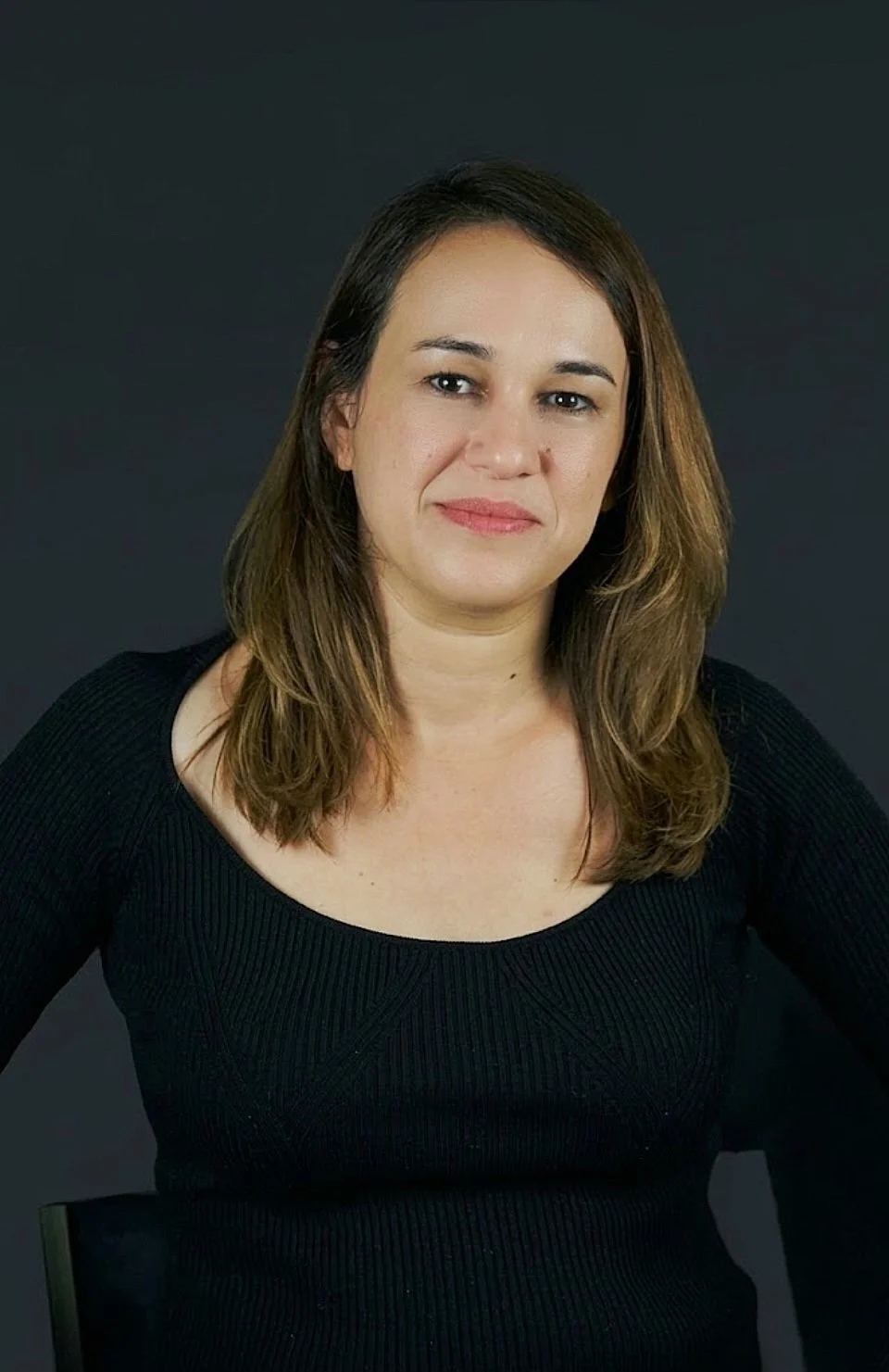
Atfa Memaï
Algeria/France
Mekeda Grunitzky
Ethiopia/Togo
MODERATORS
5 - 9 October 2026